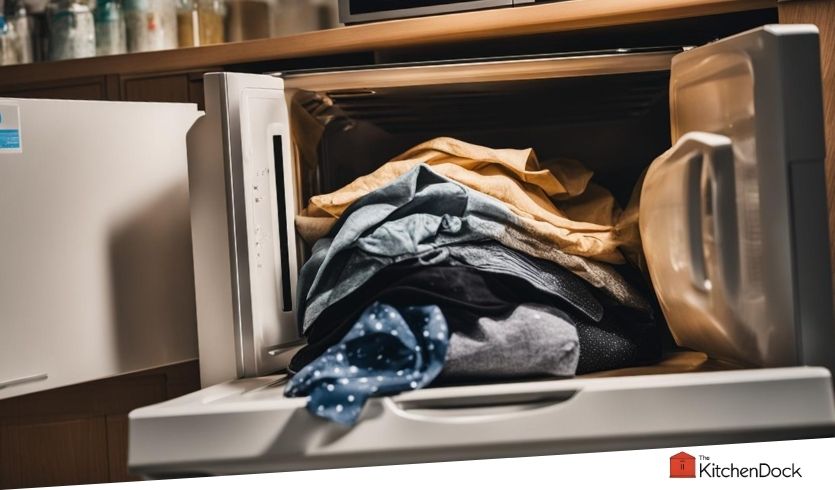
Have you ever found yourself stuck with wet clothes and no dryer in sight? You might be wondering, can you dry clothes in the microwave?
It sounds like a quick and easy fix, right? But before you zap your favorite shirt, there are some important things you need to know. You’ll discover whether this common kitchen appliance can really save your laundry day or if it’s a risky move that could backfire.
Keep reading—you’ll be surprised by what you learn!

Credit: www.youtube.com
How Microwaves Work
Understanding how microwaves work is key to answering whether you can safely dry clothes in them. Microwaves heat food differently than conventional ovens, and this difference has important implications for drying fabrics.
What Are Microwaves?
Microwaves are a type of electromagnetic wave, similar to radio waves but with a higher frequency. These waves cause water molecules in food to vibrate rapidly, generating heat. This process heats food from the inside out, making microwave cooking fast and efficient.
How Do Microwaves Heat Water?
The key to microwave heating is how water molecules react to the waves. Water molecules are polar, meaning they have a positive and a negative side. When microwaves pass through, these molecules spin and collide, creating heat through friction.
Why This Matters For Drying Clothes
Since microwaves specifically target water molecules, they can heat wet fabric quickly. But clothes have different properties than food. The uneven thickness and presence of metal parts like zippers can cause sparks and damage both the fabric and your microwave.
Can Microwaves Evaporate Water Effectively?
Microwaves can cause water in clothes to heat up, but evaporating that water safely is another matter. Unlike a tumble dryer, microwaves don’t circulate air to carry away moisture. This often leads to overheating or uneven drying.
Personal Experience With Microwave Drying
I once tried to dry a damp sock in the microwave, thinking it would be quick. The sock got hot in some spots but remained wet in others, and the fabric started to smell burnt. That experiment showed me why microwaves aren’t designed for drying clothes.
Risks Of Microwaving Clothes
Microwaving clothes to dry them might sound like a clever shortcut, but it carries several risks you should seriously consider. The microwave is designed to heat food, not fabrics, and using it on clothes can lead to unexpected problems that go beyond just a soggy shirt.
Understanding these risks can save you from ruining your favorite garments and potentially causing safety hazards in your home.
Fire Hazard And Fabric Damage
Microwaves heat water molecules quickly, but fabrics don’t dry evenly. This uneven heating can cause some parts of your clothes to become extremely hot, even igniting a fire.
Thin fabrics or clothes with metal threads are especially dangerous. Have you ever noticed sparks when metal hits a microwave? That same risk applies to many clothing items.
Damage To Microwave Appliance
Using your microwave for drying clothes can damage its internal components. The appliance isn’t built to handle the moisture levels or the thickness of fabrics.
Over time, this misuse can lead to costly repairs or force you to replace your microwave entirely. Is it worth risking your appliance just to save a few minutes?
Uneven Drying And Odor Issues
Microwaving clothes often results in uneven drying, leaving some areas wet while others might be scorched. This can cause a strange smell, sometimes worse than the original dampness.
Wet spots can also encourage mold and mildew growth, which defeats the purpose of drying your clothes in the first place.
Potential Health Concerns
Microwaving clothes doesn’t sanitize them properly and might even create harmful fumes from synthetic fabrics. The heat can release chemicals from certain materials that are unsafe to breathe in.
Would you want to wear clothes that have been exposed to these risks? It’s safer to stick with proven drying methods.
Safe Alternatives For Drying Clothes
Drying clothes in a microwave is unsafe and can cause fires or damage. Safer options include air drying, using a clothesline, or a tumble dryer. These methods protect your clothes and home from harm.
Drying clothes in the microwave might sound like a quick fix, but it’s not safe or effective. Instead, consider these safe and practical alternatives that ensure your laundry routine remains hassle-free and efficient. These methods not only protect your clothes from potential damage but also save energy and time.
Use A Clothesline Or Drying Rack
Hanging clothes on a line or drying rack is a time-tested and environmentally friendly method. It allows for natural air circulation, which gently dries your clothes without the risk of shrinkage or damage. If you’re short on space, collapsible drying racks can be a great option for indoor use.
Opt For A Dryer With A Low Heat Setting
Modern dryers come equipped with various settings designed to cater to different fabrics. Using a low heat setting is ideal for delicate garments, reducing the risk of wear and tear. Be sure to check the care label on your clothing to select the appropriate setting.
Try A Towel Roll-up Technique
If you’re in a hurry, rolling your damp clothes in a dry towel can help absorb excess moisture. Place the clothing item on a flat surface, lay a dry towel over it, and roll them together tightly. Press down gently to transfer the moisture from the clothes to the towel, then hang to air dry.
Utilize A Fan Or Dehumidifier
A fan or dehumidifier can speed up the drying process by improving air circulation and reducing humidity. Position a fan near your drying rack or clothesline to enhance airflow. This method is particularly effective in humid climates where air drying can be slow.
Invest In A Heated Clothes Airer
Heated clothes airers are an efficient alternative, especially during colder months. They offer gentle heat that dries clothes faster than traditional air drying methods. These devices are energy-efficient and can be used indoors, making them a convenient option for apartment dwellers. Exploring these alternatives not only ensures the longevity of your clothes but also contributes to a more sustainable lifestyle. What’s your favorite method for drying clothes? Share your tips and experiences in the comments!
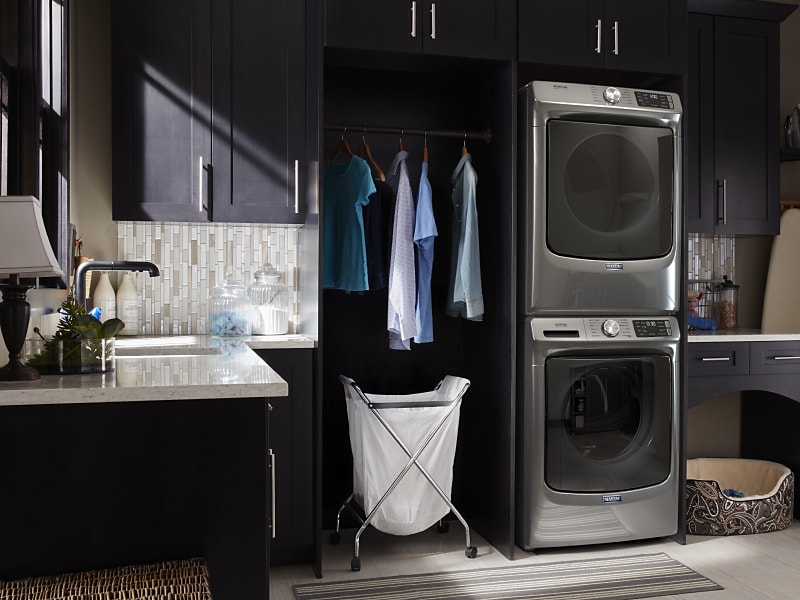
Credit: www.maytag.com
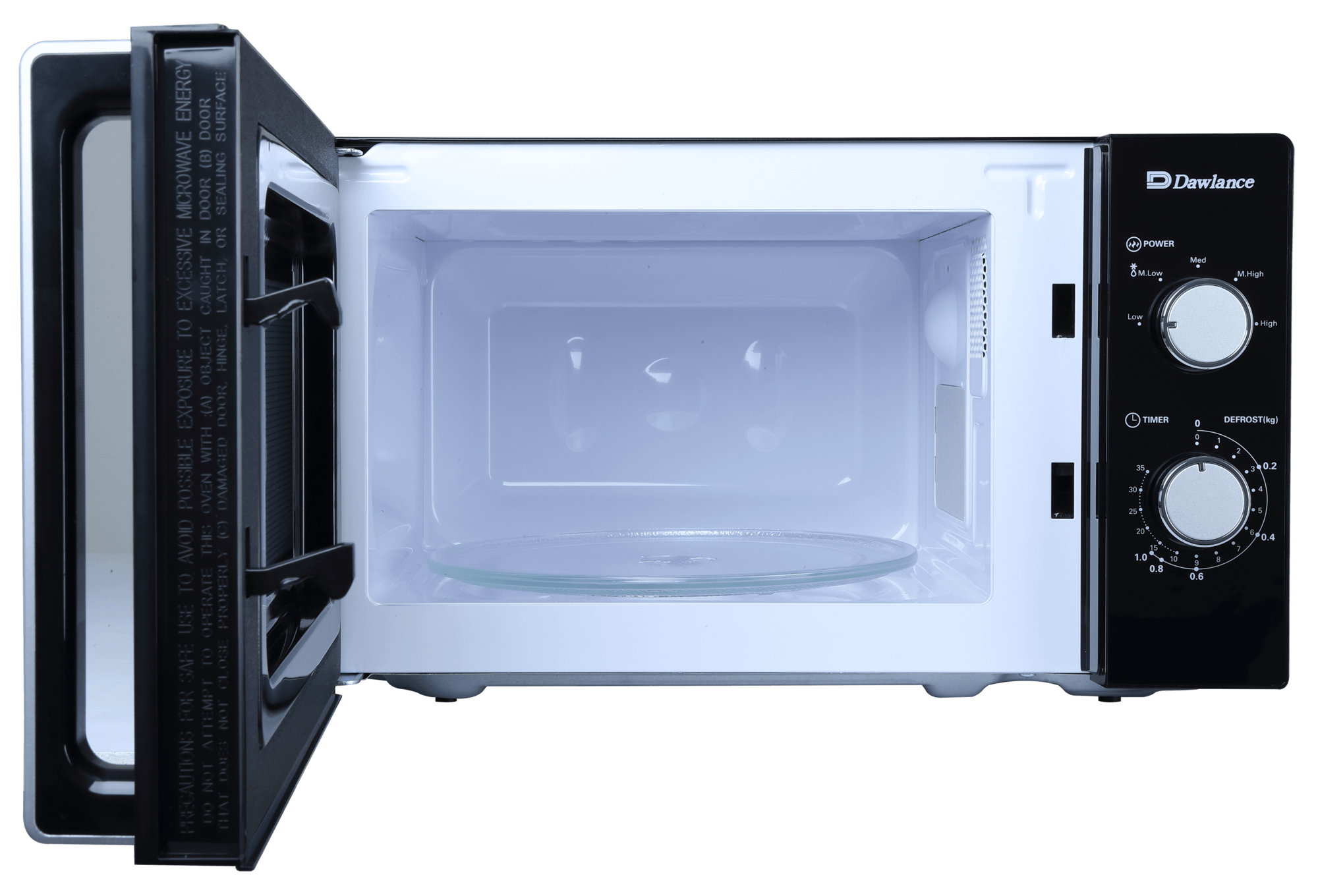
Credit: harubina.co.jp
Frequently Asked Questions
Can You Safely Dry Clothes In A Microwave?
No, microwaving clothes can cause fires and damage fabric. It is unsafe and not recommended.
Why Is Drying Clothes In A Microwave A Bad Idea?
Microwaves heat unevenly, which can burn clothes or start a fire.
What Happens If You Put Wet Clothes In A Microwave?
Wet clothes can overheat quickly, causing sparks, burns, or even fire inside the microwave.
Are There Any Safe Alternatives To Dry Clothes Quickly?
Use a tumble dryer, a drying rack, or hang clothes outside in the sun.
Can Microwaving Clothes Damage Your Microwave Oven?
Yes, moisture and fabric can harm the microwave’s components and cause it to break.
Conclusion
Microwaving clothes to dry them is not safe or effective. The microwave can damage fabric and cause fires. Traditional drying methods work best for your clothes. Air drying or using a dryer saves your clothes and energy. Always choose safe ways to dry clothes.
Stay careful and protect your home and garments. Drying clothes properly keeps them fresh and lasts longer. Think twice before using a microwave for drying tasks. Your clothes deserve the right care to stay in good shape.