Baking the perfect cake starts with one simple question: how much should you fill your cake pan? Pour too much batter, and your cake could overflow, making a mess and ruining your hard work.
Too little, and your cake might turn out flat or dry. Getting this right can save you time, frustration, and wasted ingredients. You’ll discover the exact amount to fill your cake pan for flawless results every time. Keep reading to unlock the secret to baking cakes that look as good as they taste!
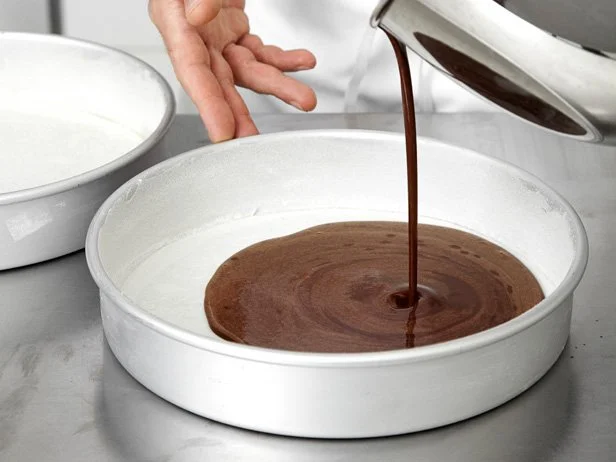
Credit: www.foodnetwork.com
Choosing The Right Fill Level
Choosing the right fill level for your cake pan is key to baking success. Too much batter causes spills. Too little results in a flat cake. The right amount helps cakes rise evenly and bake through. It saves time and avoids waste. Understanding standard guidelines and how to adjust them for different pans helps achieve perfect results every time.
Standard Fill Recommendations
Most recipes suggest filling cake pans between half and two-thirds full. This space allows batter to rise without overflowing. A good rule:
- Fill round or square pans about 2/3 full.
- Fill loaf pans around half full to avoid spills.
- Leave at least one inch of space from the top.
These limits help prevent batter from spilling over while baking. It also ensures the inside cooks properly without burning the edges.
Adjusting For Pan Shape And Size
Different pans need different fill levels. Tall pans require less batter than wide, shallow ones. The shape changes how heat spreads and how batter rises.
- Deep pans should be filled less than shallow pans.
- For irregular or novelty shapes, fill only halfway to avoid overflow.
- Use a measuring cup for accuracy when pouring batter.
Adjust the fill based on pan depth and shape to get even baking. Check the recipe for special pan instructions. If unsure, use less batter and bake longer if needed.
Factors Affecting Batter Volume
Knowing how much to fill your cake pan can make a big difference in the final bake. Several factors influence the volume of batter you should pour in. Understanding these can save you from messy overflows or flat, dense cakes.
Type Of Cake Batter
Different cake batters behave differently in the oven. A dense batter like pound cake doesn’t rise much, so you can fill the pan closer to the top—about ¾ full.
Light and airy batters, such as chiffon or sponge cakes, expand significantly during baking. For these, fill the pan only halfway or up to ⅔ full to leave room for rising.
Have you noticed how some batters bubble and puff up quickly? That’s a sign to reduce your fill level to avoid overflow.
Rising Agents And Expansion
Baking powder, baking soda, and yeast create gas that makes your cake rise. The stronger the rising agent, the more the batter will expand in the oven.
If your recipe uses a lot of baking powder or yeast, expect a bigger rise. This means filling your pan less—usually no more than half full.
On the other hand, cakes without rising agents, like dense flourless chocolate cakes, can be filled almost to the top.
Think about your last baking attempt—did your cake batter overflow or barely rise? Adjusting the fill volume based on your rising agents can prevent that problem next time.
Tips For Consistent Baking
Fill cake pans about two-thirds full to allow batter to rise without spilling. Overfilling can cause uneven baking or messes. Proper filling helps cakes bake evenly and look perfect.
Baking consistently delightful cakes can be a bit of a science. Knowing just how much batter to pour into your cake pan is crucial. Too much, and you risk the batter overflowing; too little, and your cake might end up undercooked or flat. Here are some tips that can help ensure your cakes come out just right every time.
Using Measuring Tools
Accurate measurements are your best friend in baking. Use a measuring cup to determine the correct amount of batter for your pan. Most recipes will indicate how much batter is needed, but a good rule of thumb is to fill your cake pan about two-thirds full. Weighing your batter can also provide consistency. Invest in a kitchen scale if you frequently bake. This can help you ensure each layer of a multi-layer cake is even.
Avoiding Overflow And Undercooking
Ever experienced that dreadful oven mess from batter overflow? Avoid this by not overfilling your pan. Leave enough space for the cake to rise during baking. Test your cake’s doneness with a toothpick or cake tester. Insert it into the center of the cake; if it comes out clean, your cake is done. This helps prevent the cake from being undercooked, which could happen if the pan is too full. An uneven bake can occur if the batter is lopsided in the pan. Tap the pan gently on the counter to level the batter before placing it in the oven. This simple trick ensures an even rise and a perfectly baked cake. Incorporating these tips into your baking routine can make a noticeable difference. How do you ensure consistency when baking?

Credit: food52.com

Credit: www.crumbsanddoilies.co.uk
Frequently Asked Questions
How Full Should I Fill A Cake Pan?
Fill the pan about two-thirds full to allow the cake to rise without spilling.
Why Not Fill The Cake Pan To The Top?
Filling to the top causes batter to overflow during baking, making a mess.
How Much Batter For An 8-inch Cake Pan?
Use about 3 to 4 cups of batter for an 8-inch round pan.
What Happens If The Cake Pan Is Overfilled?
The cake may bake unevenly and spill over, ruining the shape and texture.
Can I Fill Different Pan Shapes The Same Way?
Yes, fill all pans about two-thirds full, regardless of shape or size.
Conclusion
Filling a cake pan correctly helps your cake bake evenly. Usually, fill the pan about two-thirds full. This prevents batter from spilling over while baking. Different pans may need slight changes in fill level. Always check your recipe for specific advice.
Remember, careful filling leads to better cakes and less mess. Now, you can bake with more confidence and enjoy tasty results every time. Happy baking!