Your cutting board is one of the busiest tools in your kitchen, but how often do you really clean it? A dirty cutting board can hide bacteria that might make you or your family sick.
You want to keep your food safe, but cleaning it properly can seem tricky. What if you could learn simple, effective ways to clean your cutting board so it stays fresh and safe every time? Keep reading, and you’ll discover easy tips that anyone can follow to protect your health and make meal prep worry-free.
Choosing The Right Cleaning Method
Choosing the right cleaning method for your cutting board is essential to keep it safe and lasting longer. Different materials need different care, and understanding these differences helps you avoid damage or bacteria buildup. Think about your board’s material and how often you use it to decide the best cleaning routine.
Material-specific Techniques
Wooden cutting boards absorb moisture and can crack if cleaned too harshly. Use warm water and mild soap, then dry it immediately with a towel. Avoid soaking wood boards or placing them in the dishwasher to prevent warping.
Plastic boards handle more aggressive cleaning. You can wash them with hot, soapy water or even place them in the dishwasher for a deep clean. Just make sure to check for deep grooves where bacteria might hide, and replace the board if cuts become too severe.
Bamboo boards are tougher but still need gentle care. Clean with mild soap and water, and never soak them. Applying mineral oil occasionally keeps bamboo boards from drying out and cracking.
Daily Cleaning Vs Deep Cleaning
Daily cleaning should be quick but thorough. Rinse your board right after use with hot water and a little soap to remove food particles and prevent stains. Dry it well to stop bacteria from growing.
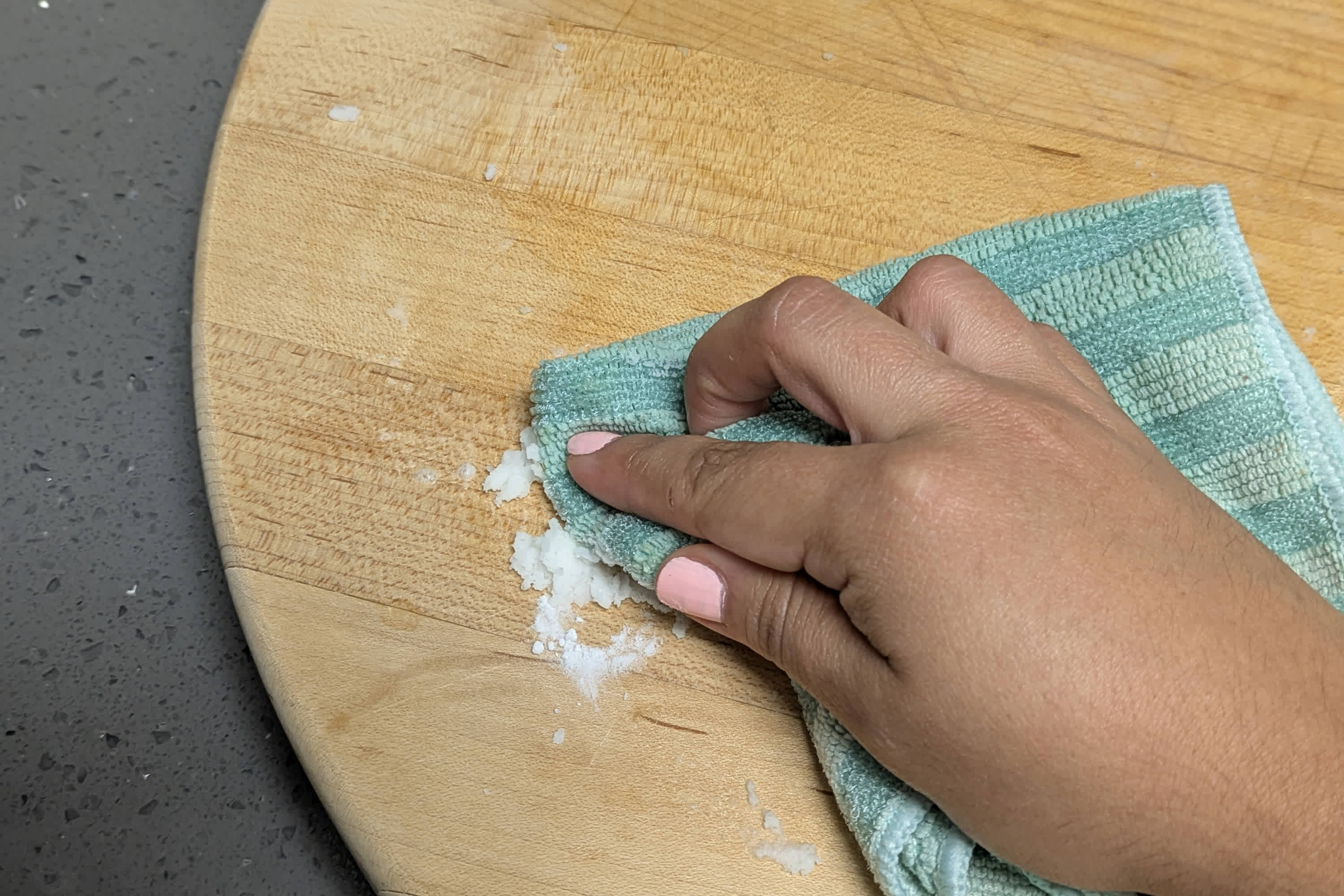
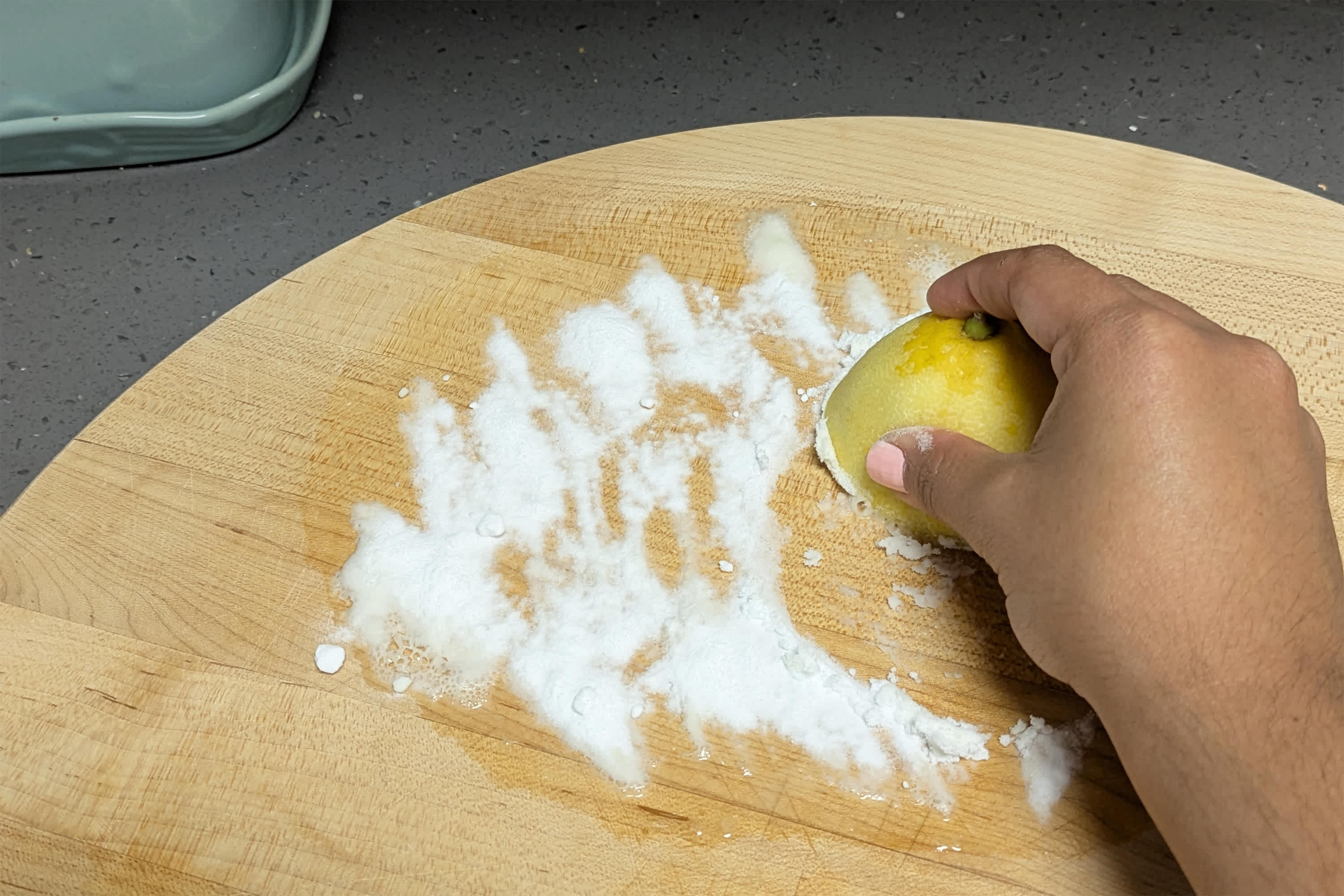
Deep cleaning is necessary when you notice stains, odors, or after cutting raw meat. Sprinkle coarse salt or baking soda on the board, scrub with a lemon half, then rinse and dry. This natural method helps kill bacteria and refresh the board without harsh chemicals.
Have you ever thought about how often you really need to deep clean your cutting board? It depends on your cooking habits and what you cut most often. Pay attention to signs like lingering smells or visible stains to know when it’s time for a deeper clean.

Credit: food52.com
Natural Cleaning Solutions
Natural cleaning solutions offer a safe and effective way to keep cutting boards fresh. These methods use common kitchen ingredients that kill germs and remove stains. They avoid harsh chemicals that can damage the board or affect food taste.
Natural cleaners are easy to prepare and gentle on wood or plastic. They help maintain the board’s surface and extend its life. Here are two popular natural cleaning options to try.
Using Vinegar And Lemon
Vinegar has strong antibacterial properties. Lemon adds a fresh scent and natural bleaching power.
- Spray or wipe white vinegar over the cutting board surface.
- Let it sit for a few minutes to kill bacteria.
- Cut a lemon in half and rub it all over the board.
- Focus on any stains or discoloration spots.
- Rinse the board with warm water and dry it well.
This method cleans, deodorizes, and brightens the board safely. It works well on wood and plastic boards.
Baking Soda Scrubs
Baking soda acts as a gentle abrasive and deodorizer. It removes stuck-on food and neutralizes odors.
- Sprinkle baking soda evenly over the cutting board.
- Add a small amount of water to form a paste.
- Use a sponge or brush to scrub the surface in circles.
- Focus on any spots with stains or smells.
- Rinse thoroughly with warm water and dry completely.
This scrub cleans deeply without scratching or harming the board. It is safe for frequent use and keeps boards fresh.
Preventing Bacteria Build-up
Regularly wash cutting boards with hot, soapy water to stop bacteria from growing. Dry them well and use separate boards for raw meat and vegetables.
Preventing bacteria build-up on your cutting board is essential for maintaining kitchen hygiene and ensuring your food remains safe to eat. Cutting boards can harbor germs if not properly cleaned and maintained. By taking a few simple steps, you can keep your cutting board free from harmful bacteria and extend its lifespan.
Proper Drying And Storage
After washing your cutting board, drying it thoroughly is crucial. Moisture is a breeding ground for bacteria, so ensure your board is completely dry before storing it. Use a clean towel to pat it dry or let it air dry by standing it upright, allowing airflow on all sides. Storing your cutting board in a well-ventilated area is equally important. Avoid stacking it with other boards or kitchen items that can trap moisture. Consider using a cutting board rack to promote proper air circulation.
Regular Maintenance Tips
Regular maintenance of your cutting board can prevent bacteria build-up and keep it in top condition. Make it a habit to sanitize your board after each use, especially when cutting raw meat. A simple solution of vinegar and water can effectively kill germs without damaging the board. Occasionally applying mineral oil to wooden boards helps to seal the surface, preventing moisture from seeping in. This not only keeps bacteria at bay but also enhances the board’s durability. Do you remember the last time you oiled your wooden cutting board? If not, it might be time to give it some care. Taking these steps ensures your cutting board remains a safe and efficient tool in your kitchen. Would you be willing to try these tips to see how they can improve your kitchen hygiene?
Credit: www.thekitchn.com
Credit: www.thekitchn.com
Frequently Asked Questions
How Often Should I Clean My Cutting Board?
Clean your cutting board after every use to stop bacteria buildup and keep it safe.
What Is The Best Way To Remove Stains From Cutting Boards?
Use baking soda paste or lemon juice with salt to scrub stains gently.
Can I Wash A Wooden Cutting Board With Soap And Water?
Yes, wash wooden boards with mild soap and warm water, then dry them well.
How Do I Disinfect A Cutting Board Naturally?
Wipe with white vinegar or a diluted bleach solution to kill germs safely.
Is It Safe To Put Cutting Boards In The Dishwasher?
Plastic boards can go in the dishwasher, but wooden ones should be hand-washed.
Conclusion
Cleaning your cutting board keeps it safe and lasts longer. Use warm water and soap for daily cleaning. For deep cleaning, try vinegar or baking soda. Dry your board completely to stop germs. Regular care prevents stains and bad smells.
A clean board makes cooking healthy and easy. Small steps make a big difference in your kitchen. Keep your cutting board fresh, and enjoy cooking every day.