Your wood cutting board is more than just a kitchen tool—it’s where you prepare meals for your family and friends. Keeping it clean isn’t just about looks; it’s about safety and longevity.
But do you know the right way to clean it without causing damage or leaving harmful bacteria behind? You’ll discover simple, effective steps to make your wood cutting board spotless and safe, so you can cook with confidence every time.
Keep reading, and learn how to protect your investment and your health with easy cleaning tips you’ll wish you knew sooner.

Credit: homewithgraceandjoy.com
Daily Cleaning Routine
Keeping a wood cutting board clean daily helps it last longer and stay safe. A simple routine removes food particles and stops bacteria growth. Consistent care keeps the board fresh and ready for use.
Rinsing And Scrubbing
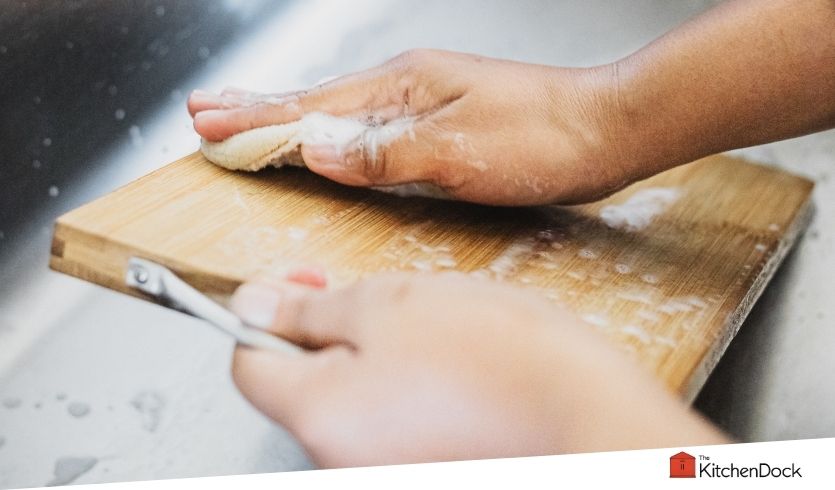
Start by rinsing the board with warm water to remove loose bits. Use a soft scrub brush or sponge for gentle scrubbing. Avoid harsh scrubbing to protect the wood surface. Focus on areas with visible stains or residue.
Using Mild Soap
Apply a small amount of mild dish soap to the board. Soap helps break down oils and food residues. Gently scrub using the sponge or brush. Rinse thoroughly to remove all soap traces, preventing taste transfer.
Drying Techniques
After washing, wipe the board with a clean towel. Stand it upright to air dry completely. Avoid leaving it flat to prevent moisture buildup. Proper drying stops warping and mold growth on the wood.
Deep Cleaning Methods
Deep cleaning a wood cutting board keeps it safe and extends its life. Regular washing removes surface dirt, but deep cleaning tackles stains, odors, and bacteria hidden in the wood grain. These methods restore your board’s look and hygiene.
Removing Stains And Odors
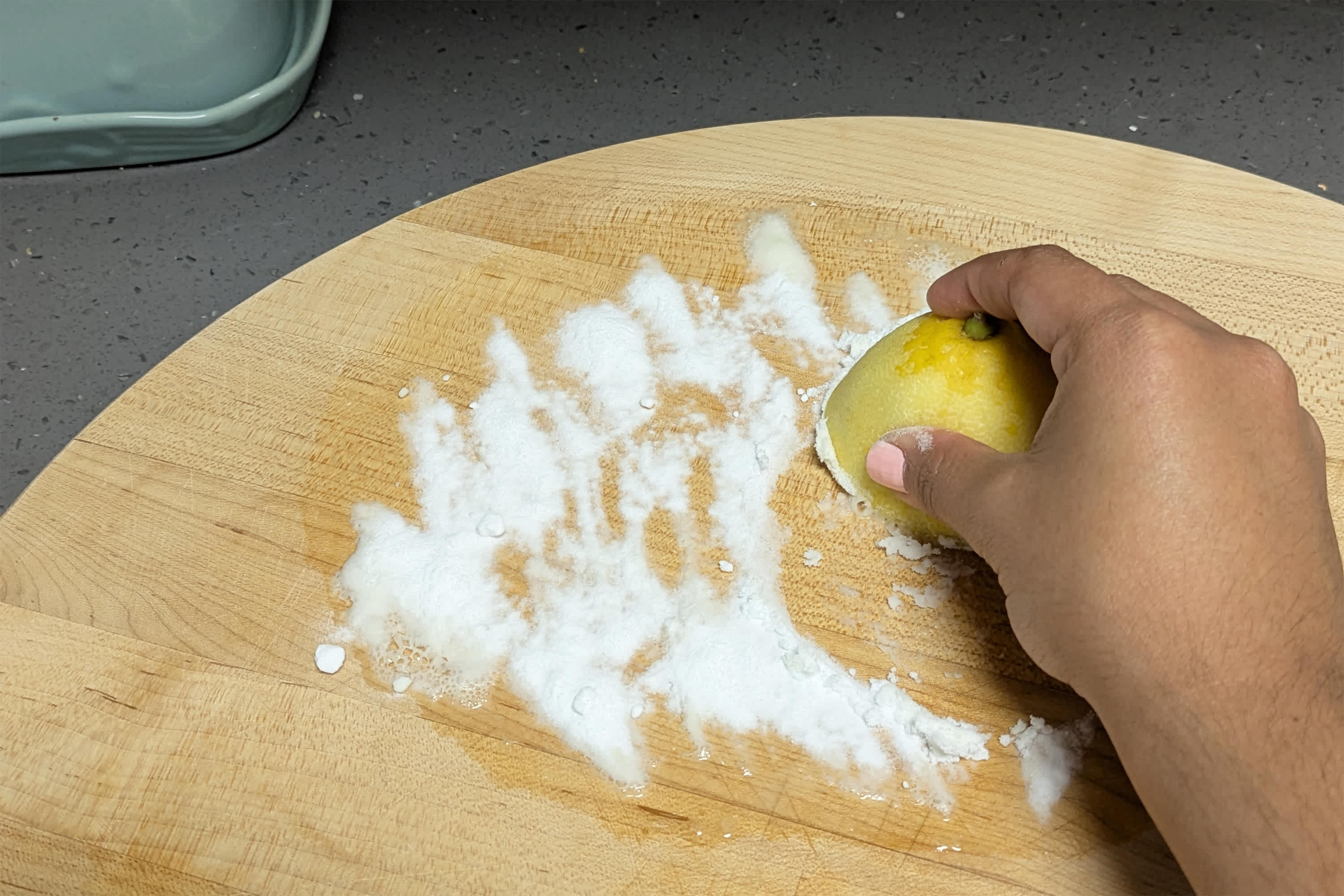
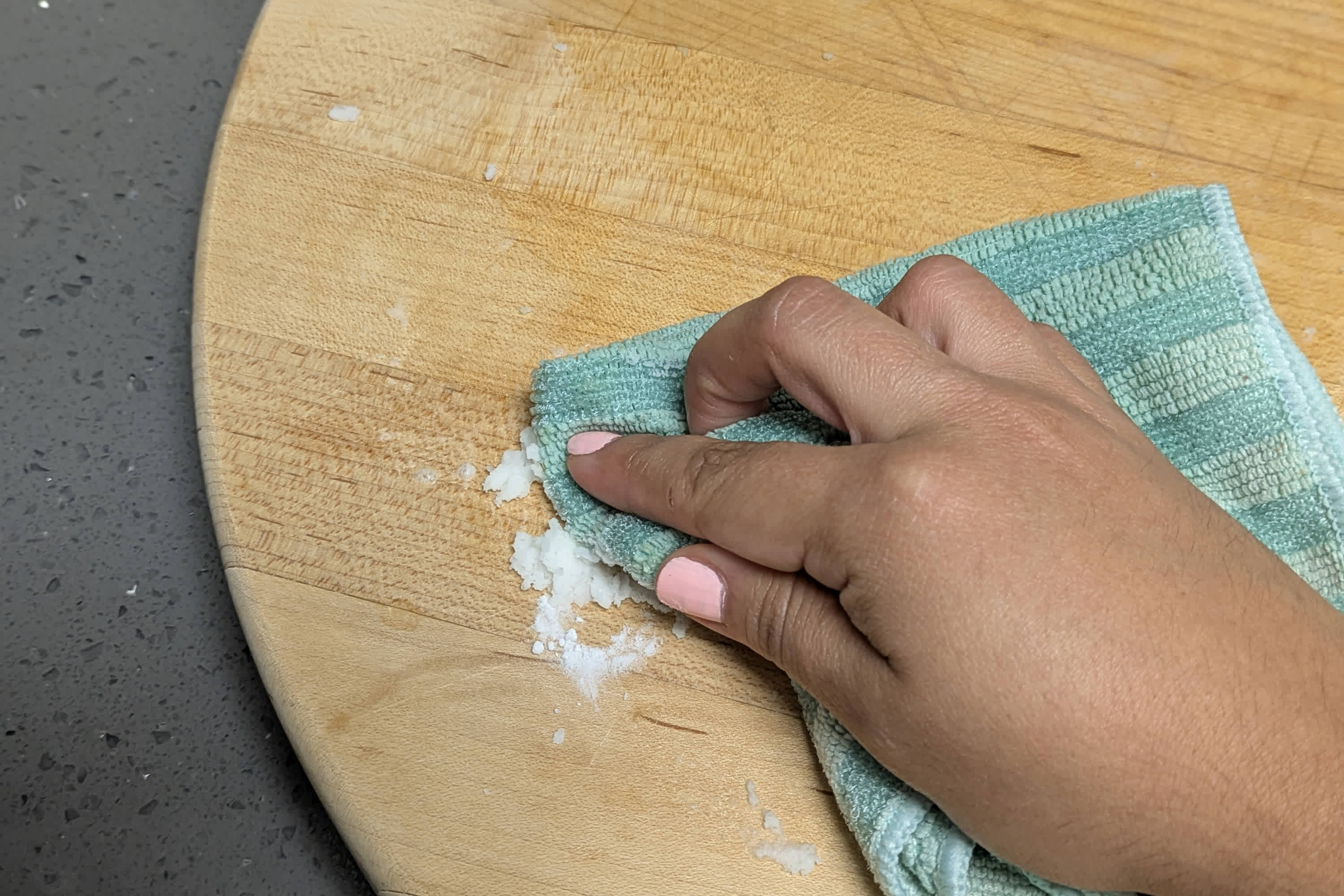
Stains and smells can cling to wood. To remove them, sprinkle coarse salt or baking soda over the board’s surface. Rub gently with a half lemon, squeezing juice as you go. The natural acids break down stains and neutralize odors.
Rinse the board with warm water and dry it with a clean towel. Repeat if needed for strong stains or smells.
Disinfecting With Natural Ingredients
Disinfecting a wood cutting board is crucial to kill bacteria. Mix equal parts white vinegar and water in a spray bottle. Spray the surface and let it sit for five minutes. Vinegar’s acidity kills many germs naturally.
For extra protection, apply hydrogen peroxide after vinegar. Pour it on, let it bubble for a few minutes, then rinse thoroughly. Always dry the board completely to avoid moisture damage.
Sanding And Refinishing
When stains or cuts are deep, sanding can refresh the board. Use fine-grit sandpaper to gently smooth the surface. Sand along the wood grain to avoid scratches.
After sanding, wipe off dust with a damp cloth. Allow the board to dry fully.
Apply food-safe mineral oil or beeswax to seal and protect the wood. Rub the oil in with a soft cloth, let it soak overnight, then wipe off excess. This process restores the board’s shine and strength.
Maintenance Tips For Longevity
Maintaining a wood cutting board extends its life and keeps it safe to use. Proper care stops cracks and warping. It also prevents bacteria buildup. Simple habits help your board stay strong and beautiful for years.
Oiling And Conditioning
Apply food-grade mineral oil regularly to your board. This stops the wood from drying out and cracking. Use a clean cloth to spread oil evenly on all surfaces. Let it soak for a few hours or overnight. Wipe off any extra oil before using the board again.
Condition the board with beeswax or a special board cream once a month. This adds a protective layer and keeps the surface smooth. Avoid vegetable or olive oils, as they can go rancid and smell bad.
Avoiding Excess Moisture
Never soak your wood cutting board in water. Excess water makes the wood swell and crack. Wash it quickly with warm, soapy water and rinse well. Dry the board immediately with a clean towel.
Do not put your board in the dishwasher. The heat and water damage the wood. Keep moisture levels low to prevent warping and mold growth.
Proper Storage Practices
Store the board in a dry, well-ventilated place. Avoid stacking heavy items on top of it to prevent dents. Stand the board upright or lay it flat on a dry surface.
Keep it away from direct sunlight or heat sources. Heat can cause the wood to dry out and crack. Good storage protects the board’s shape and quality over time.
Credit: www.thekitchn.com
Credit: www.thekitchn.com
Frequently Asked Questions
How Often Should I Clean My Wood Cutting Board?
Clean your wood cutting board after every use to keep it safe and free from germs.
What Is The Best Way To Remove Stains From Wood Boards?
Use a mix of lemon juice and salt, scrub gently, then rinse with warm water.
Can I Use Soap To Clean A Wood Cutting Board?
Yes, mild soap and warm water work well, but avoid soaking the board in water.
How Do I Dry A Wood Cutting Board Properly?
Dry it with a towel and stand it upright to air dry fully before storing.
Should I Oil My Wood Cutting Board After Cleaning?
Yes, oiling keeps the wood from cracking and helps it last longer. Use food-safe oil.
Conclusion
Cleaning a wood cutting board keeps it safe and long-lasting. Use gentle soap and warm water after each use. Avoid soaking to stop the wood from cracking. Dry it well with a towel or air dry standing up. Rub with oil sometimes to keep the wood healthy.
Clean boards help prevent germs on your food. Small efforts make a big difference in kitchen safety. Keep your cutting board clean, and it will serve you well. Simple steps protect your board and your health every day.