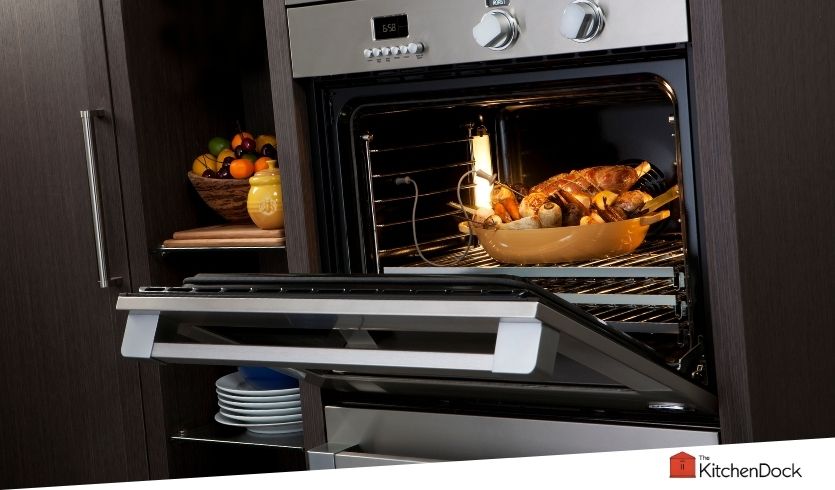
If you’ve ever wondered how to cook a pork butt in the oven to get juicy, tender meat that melts in your mouth, you’re in the right place. Cooking pork butt might sound tricky, but with the right steps, you can make a delicious meal that will impress everyone at your table.
Imagine slicing into perfectly cooked pork that’s full of flavor and so tender it falls apart easily. In this guide, you’ll discover simple tips and tricks to master oven-cooked pork butt, turning a humble cut into something extraordinary. Keep reading, and you’ll learn how to make your next meal unforgettable.
Credit: bakeitwithlove.com
Preparing The Pork Butt
Preparing the pork butt properly sets the foundation for a delicious, tender roast. It’s more than just placing the meat in the oven—you need to think about the cut you pick, how you trim it, and the flavors you build right from the start. These steps affect both texture and taste, so giving them attention pays off.
Choosing The Right Cut
Pork butt, also called Boston butt, comes from the upper part of the shoulder. It has a good balance of meat and fat, which keeps it moist during long cooking. But not all pork butts are equal—look for one with a nice layer of fat on top; this helps baste the meat as it cooks.
Think about size too. A 4-6 pound cut works well in most ovens and feeds a crowd. If you want extra flavor, sometimes a bone-in pork butt adds depth, but boneless is easier to carve.
Trimming And Seasoning
Before seasoning, trim off any thick silver skin or overly hard fat that won’t melt. Leaving some fat is good, but too much can make the roast greasy. Use a sharp knife and take your time—clean cuts help seasoning stick better.
Seasoning is where you can make the pork butt uniquely yours. You can keep it simple with salt and pepper, or add garlic powder, paprika, and brown sugar for a sweet-savory crust. Rub the spices all over the meat, pressing them in well.
Ever tried letting the pork sit with the rub overnight? It really lets the flavors sink in deeper. If you’re short on time, even 30 minutes at room temperature helps the seasoning work its magic.
Oven Cooking Techniques
Oven cooking a pork butt is all about controlling heat and moisture to get that tender, juicy meat you crave. The right techniques can make your pork butt melt in your mouth while developing a flavorful crust. Let’s dive into the key oven cooking techniques to help you master this delicious cut.
Setting The Temperature
Keep your oven temperature low and steady, usually between 225°F and 275°F (107°C to 135°C). This slow cooking breaks down the tough connective tissues without drying out the meat. Higher temperatures can cook faster but risk losing juiciness and developing a tough texture.
Think about your oven as a slow cooker. Patience is your best friend here. Setting the right temperature ensures even cooking throughout the pork butt.
Cooking Time And Internal Temperature
Cooking time depends on the size of your pork butt, often taking 1.5 to 2 hours per pound at low heat. But don’t rely only on the clock—use a meat thermometer to check the internal temperature.
The target internal temperature is around 195°F to 205°F (90°C to 96°C). This range allows the collagen to melt, making the meat tender and easy to pull apart. Have you ever pulled a pork butt too soon and found it chewy? Waiting for this temperature is key to avoid that.
Using Foil And Moisture
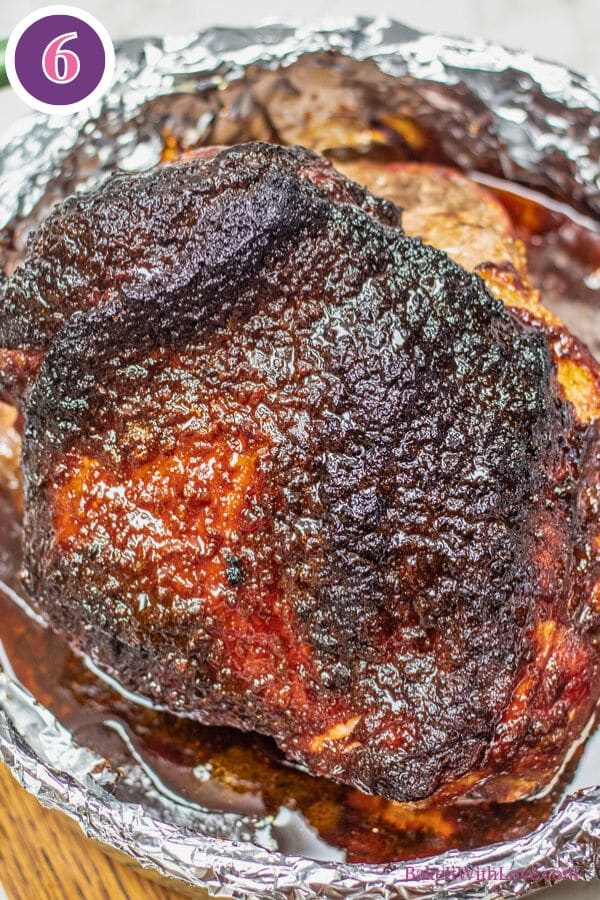
Wrapping your pork butt in foil during the later stages of cooking helps retain moisture and speeds up the process. This method, often called the “Texas Crutch,” prevents the meat from drying out while still allowing the crust to develop first.
You can add a splash of apple juice, broth, or even cola inside the foil to boost moisture and flavor. Ever tried cooking without foil and ended up with dry edges? Foil can be a game-changer for juicy results.
Finishing And Serving
Finishing and serving pork butt properly brings out its best flavors and texture. This stage is crucial to make the meat tender and juicy. The way you rest, shred, and serve the pork affects the overall eating experience.
Resting The Meat
After cooking, let the pork butt rest for at least 20 minutes. Resting allows the juices to redistribute inside the meat. Cutting the pork too soon causes the juices to run out. Cover the meat loosely with foil to keep it warm.
Shredding The Pork
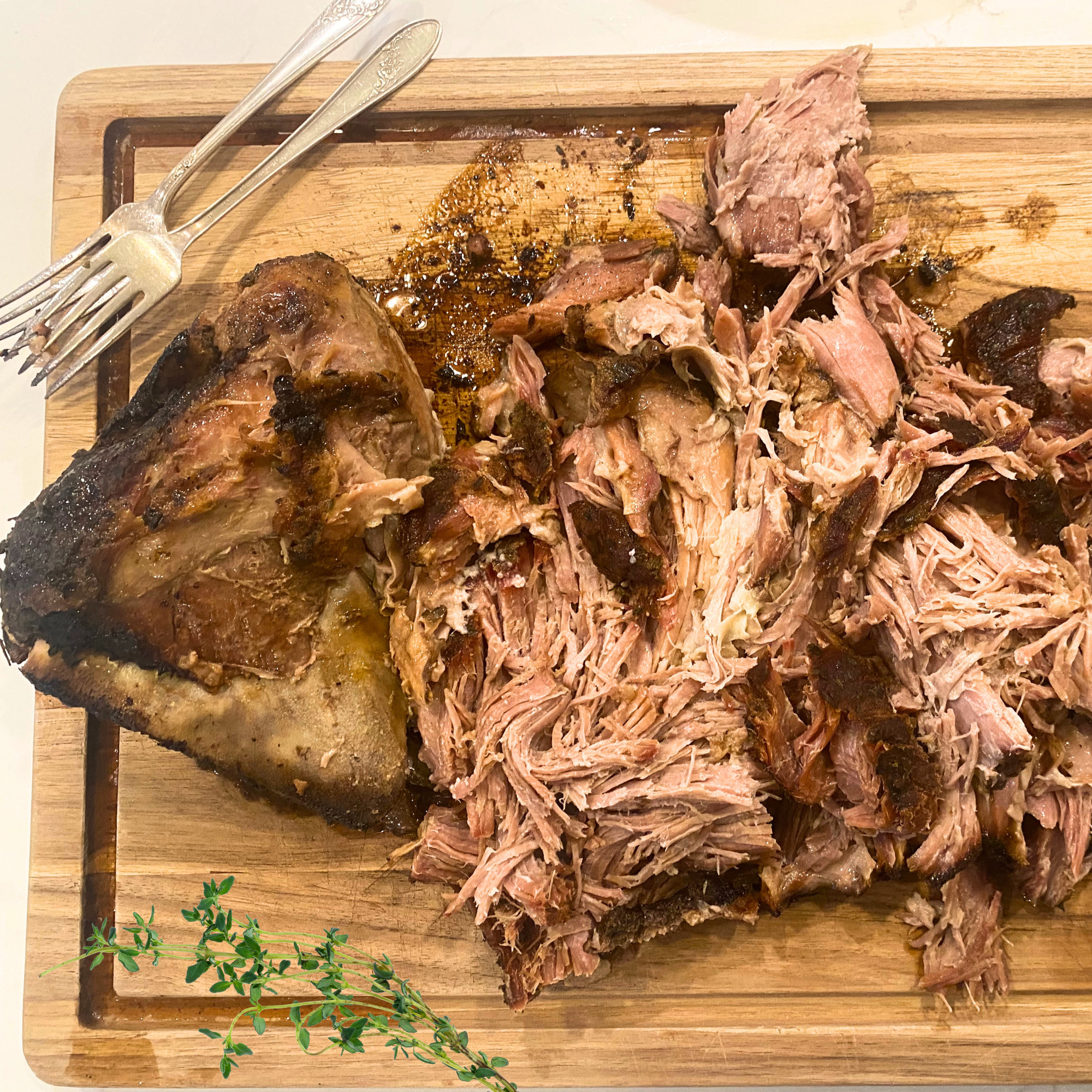
Use two forks to pull the pork apart gently. The meat should be soft and easy to shred. Remove any large pieces of fat while shredding. Shredding creates perfect bite-sized pieces for serving. For a finer texture, chop the shredded pork with a knife.
Serving Suggestions
Serve shredded pork on buns for classic sandwiches. Add coleslaw for extra crunch and flavor. Use the pork as a topping for baked potatoes or nachos. Drizzle with barbecue sauce or your favorite seasoning. Include simple sides like pickles, beans, or corn bread.

Credit: food52.com
Credit: farmhouseharvest.net
Frequently Asked Questions
How Long Does It Take To Cook Pork Butt In The Oven?
Pork butt usually takes about 3 to 4 hours at 325°F to become tender and juicy.
What Oven Temperature Is Best For Cooking Pork Butt?
A temperature of 300°F to 325°F works well to cook pork butt slowly and evenly.
Should I Cover Pork Butt While Roasting In The Oven?
Covering pork butt with foil helps keep it moist and tender during roasting.
How Do I Know When Pork Butt Is Fully Cooked?
Use a meat thermometer; pork butt is done at an internal temperature of 195°F to 205°F.
Can I Cook Pork Butt Without A Marinade Or Rub?
Yes, but using a simple rub or marinade improves flavor and makes the meat tastier.
Conclusion
Cooking pork butt in the oven is simple and rewarding. Slow roasting brings out rich flavors and tender meat. A good rub and low heat make a big difference. Check the meat often to avoid drying it out. Rest the pork before slicing to keep juices inside.
Serve with your favorite sides for a hearty meal. This method saves time and effort while giving great taste. Try it soon and enjoy a delicious homemade dinner.