Your bamboo cutting board is more than just a kitchen tool—it’s an investment that deserves proper care. Oiling your board regularly keeps it strong, prevents cracks, and stops it from absorbing unwanted odors or bacteria.
But how do you oil a bamboo cutting board the right way? In this guide, you’ll discover simple steps that protect your board and keep it looking fresh for years. By the end, you’ll feel confident giving your bamboo board the care it needs, making every meal prep smoother and safer.
Keep reading to learn how easy it is to extend the life of your favorite kitchen companion.
Choosing The Right Oil
Choosing the right oil for your bamboo cutting board is essential for maintaining its durability and appearance. The wrong oil can leave your board sticky, rancid, or even unsafe for food preparation. Selecting an oil that nourishes the bamboo fibers without introducing harmful substances will keep your board in top shape for years.
Food-safe Oils To Use
Not all oils are suitable for your cutting board. You want an oil that is safe to use with food and won’t turn rancid quickly. Commonly recommended oils include:
- Mineral Oil:A popular choice because it’s odorless, tasteless, and doesn’t spoil.
- Coconut Oil (Refined):Has antibacterial properties and a long shelf life, but make sure it’s refined to avoid stickiness.
- Walnut Oil:Absorbs well and adds a nice finish, but be cautious if you or your family have nut allergies.
- Beeswax and Mineral Oil Blends:Provide extra protection and a smooth finish that repels water.
Have you ever experienced a cutting board that smells off after oiling? That usually means the oil you used wasn’t food-safe or has gone bad. Using the right oil prevents that unpleasant surprise.
Avoiding Harmful Chemicals
Some oils and finishes contain additives that can be harmful if ingested. Avoid products labeled as “for wood” or “for furniture” unless they explicitly state they are food-safe. Chemicals like solvents, drying agents, or synthetic fragrances can contaminate your food and damage the bamboo.
Always check the label for terms like “food grade” or “USDA approved.” If you’re unsure, pure mineral oil sold in pharmacies or health stores is often a reliable choice. Your health and safety should never be compromised when caring for your kitchen tools.
Credit: cheesegrotto.com
Step-by-step Oiling Process
Oiling your bamboo cutting board is essential to keep it in great shape and extend its life. The process is simple but needs some care and attention to detail. Here’s a clear guide to help you oil your board properly and make it look and feel like new.
Cleaning The Board
Start by washing your bamboo cutting board with warm water and mild soap. Avoid soaking it for too long, as bamboo can absorb water and warp. After washing, dry the board thoroughly with a clean towel and let it air dry completely before applying any oil.
Applying Oil Evenly
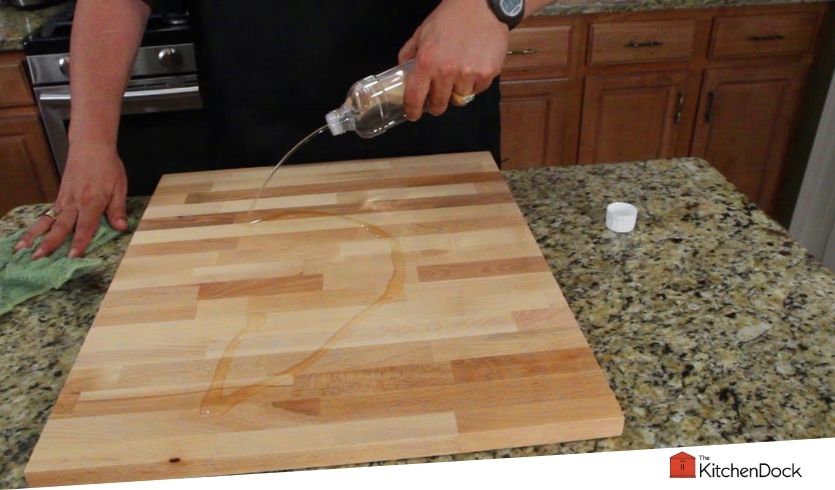
Choose a food-safe oil like mineral oil or a specially formulated cutting board oil. Pour a small amount of oil directly onto the surface of the board. Use a clean, soft cloth or paper towel to spread the oil evenly across the entire surface, including the edges and sides.
Don’t rush this step—take your time to cover every inch. Have you noticed how skipping edges can cause those areas to dry out faster?
Letting It Soak And Dry
After applying the oil, let the board sit for several hours or overnight to allow the oil to soak in deeply. This step helps the bamboo absorb the oil, preventing cracks and making the surface water-resistant. Wipe off any excess oil with a clean cloth before using the board again.
It’s tempting to use the board right away, but patience here pays off with a longer-lasting, more durable cutting surface.
Maintenance Tips For Longevity
Proper care keeps a bamboo cutting board strong and useful for years. Regular maintenance stops damage like cracks and warping. Follow simple tips to protect your board and keep it safe for food prep.
Frequency Of Oiling
Oil your bamboo board every 1 to 2 months. More often if you use it daily. Oiling restores moisture and stops the wood from drying out. Use food-safe mineral oil for the best results. Avoid vegetable oils that can turn rancid.
Preventing Cracks And Warping
Keep your board away from water for long periods. Wipe it dry right after washing. Never soak bamboo in water. Heat and moisture cause the wood to crack and warp. Apply oil regularly to keep the wood flexible and strong.
Proper Storage Practices
Store your bamboo board in a dry place. Avoid direct sunlight or heat sources. Stand the board on its edge to let air circulate. This prevents moisture buildup and keeps the board flat. Proper storage extends its life and keeps it safe for food use.

Credit: greenerchef.com

Credit: www.amazon.com
Frequently Asked Questions
How Often Should I Oil My Bamboo Cutting Board?
Oil your bamboo board once a month to keep it smooth and prevent cracking.
What Type Of Oil Is Best For Bamboo Boards?
Use food-grade mineral oil; it’s safe and protects the wood well.
How Do I Apply Oil To A Bamboo Cutting Board?
Rub oil evenly with a soft cloth, let it soak, then wipe off excess.
Can I Use Olive Oil On My Bamboo Cutting Board?
Olive oil can go rancid; avoid it and choose mineral oil instead.
How Long Does It Take For Oil To Soak Into Bamboo?
Oil soaks in about 20 minutes; wipe off any leftover oil after that.
Conclusion
Oiling your bamboo cutting board keeps it strong and healthy. It stops the wood from drying out and cracking. Regular oiling also helps to keep the board clean and safe for food. Use food-safe oil and apply it often. A well-oiled board lasts longer and looks better.
Simple care goes a long way. Take a few minutes to protect your board. Your kitchen will thank you.