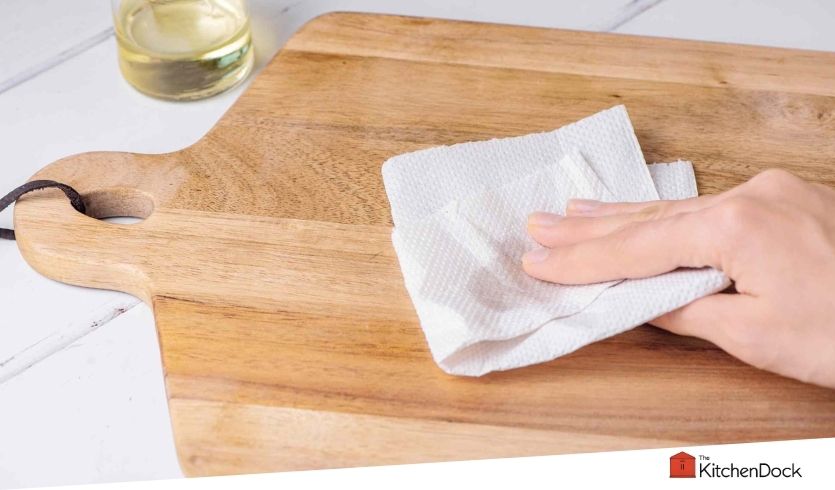
Your wooden cutting board is a kitchen essential, but do you know how to keep it truly clean and safe? If you don’t sanitize it properly, harmful bacteria can hide in the wood’s grooves, putting your health at risk.
You might think washing with soap and water is enough, but there’s more to it. You’ll discover simple, effective ways to sanitize your wooden cutting board so it stays fresh and safe every time you use it. Keep reading to protect your family and extend the life of your favorite kitchen tool.

Credit: www.youtube.com
Daily Cleaning Tips
Keeping your wooden cutting board clean every day helps stop germs and keeps it in good shape. Simple daily care can make a big difference. Use gentle cleaning and drying to protect the wood and keep it safe for food.
Washing With Soap And Water
Use warm water and mild dish soap to wash the board after each use. Avoid soaking the board in water to stop warping or cracking. Use a soft sponge or cloth to scrub all sides gently. Rinse well with clean water to remove soap. Clean both sides to keep the board flat and dry evenly.
Drying Techniques
Dry the board right after washing to avoid water damage. Use a clean towel to wipe off all moisture. Stand the board upright or lean it against a wall to air dry completely. Avoid laying it flat, as this traps moisture underneath. Good airflow helps stop mold and keeps the wood fresh.
Credit: www.thekitchn.com
Deep Sanitizing Methods
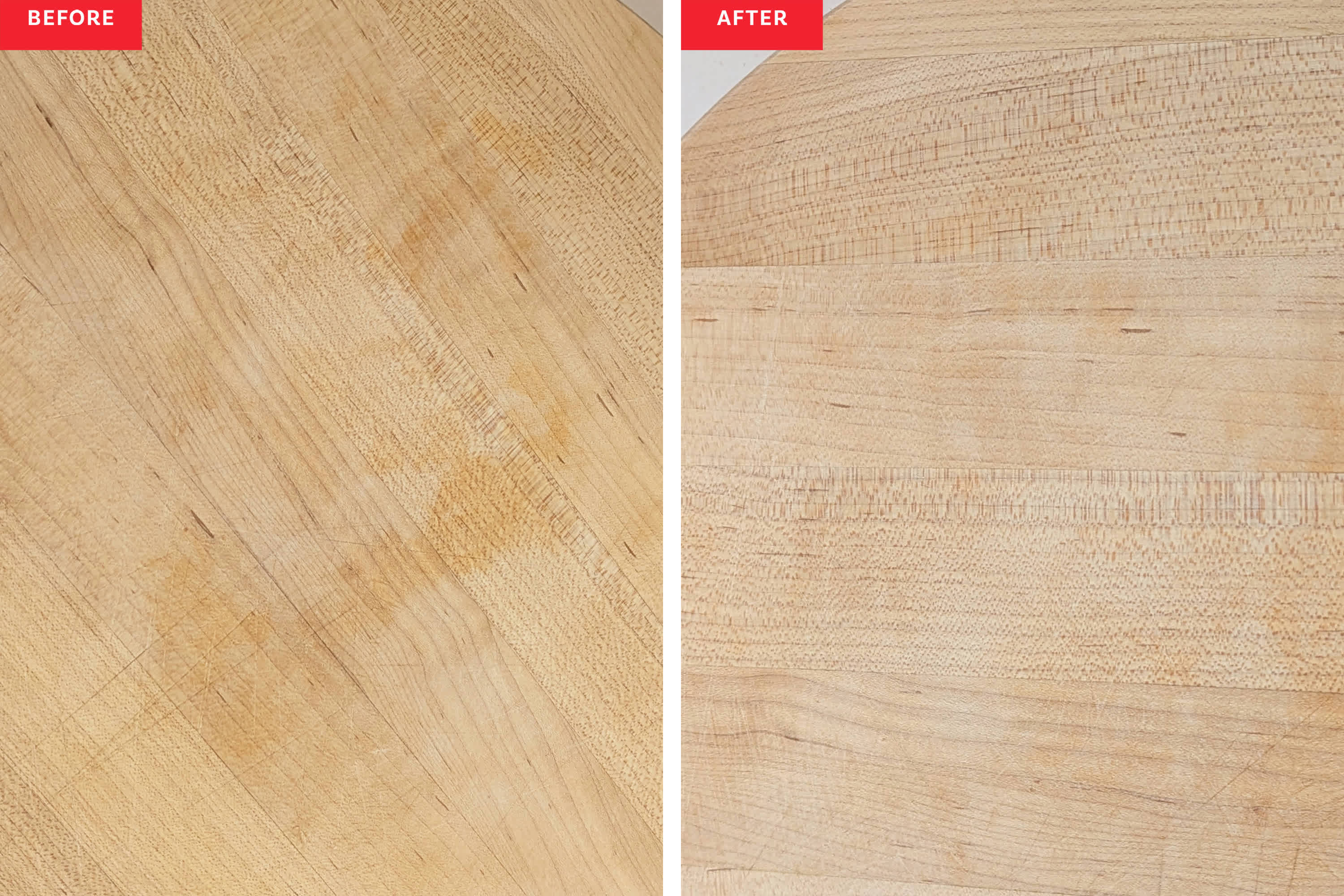
Deep sanitizing removes hidden germs and bacteria from wooden cutting boards. These methods go beyond simple cleaning. They help keep your board safe for food preparation. Use natural ingredients that are safe for wood and effective against microbes. Below are some reliable ways to sanitize your wooden cutting board deeply.
Using Vinegar And Baking Soda
Vinegar kills many bacteria and neutralizes odors. Baking soda acts as a gentle abrasive and deodorizer. Together, they clean and sanitize the board effectively.
- Sprinkle baking soda over the entire cutting surface.
- Pour white vinegar slowly onto the baking soda.
- Let the mixture bubble and sit for 5 to 10 minutes.
- Scrub gently with a brush or sponge.
- Rinse well with warm water and dry thoroughly.
Applying Hydrogen Peroxide
Hydrogen peroxide is a strong sanitizer that kills germs quickly. It is safe for wooden surfaces when used properly.
- Pour 3% hydrogen peroxide directly onto the board.
- Spread evenly using a clean cloth or sponge.
- Leave it for a few minutes to disinfect.
- Rinse the board with water and dry immediately.
Lemon And Salt Scrub
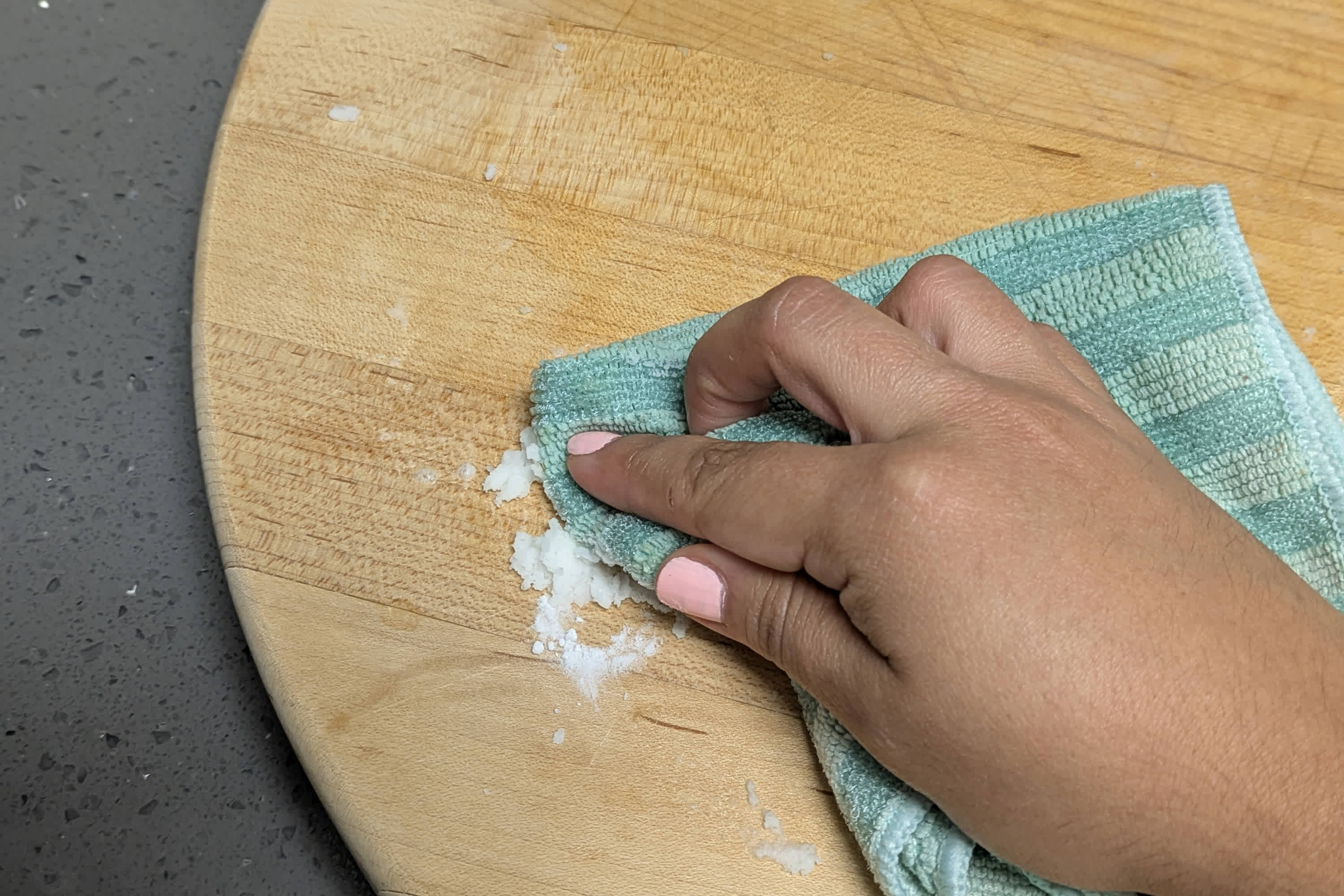
Lemon juice has natural antibacterial properties. Salt works as a scrub to remove stains and bacteria. This method also freshens the wood.
- Cut a lemon in half and dip it in coarse salt.
- Rub the salted lemon over the board’s surface firmly.
- Focus on stains and grooves where bacteria hide.
- Let it sit for 5 minutes, then rinse with water.
- Dry the board completely before storing.
Maintenance And Care
Maintaining and caring for your wooden cutting board is essential to keep it safe, durable, and looking great. Proper care not only extends the life of the board but also prevents harmful bacteria from settling into cracks or grooves. Simple habits can make a big difference in how your board performs every day.
Oiling The Board
Oiling your wooden cutting board helps protect it from drying out and cracking. Use a food-grade mineral oil or beeswax-based conditioner to nourish the wood.
- Apply a generous amount of oil using a clean cloth.
- Let the oil soak in for several hours or overnight for best results.
- Wipe off any excess oil before using the board again.
How often should you oil? If your board looks dry or feels rough, it’s time. Regular oiling keeps the wood hydrated and less prone to damage.
Avoiding Warping And Cracks
Wooden boards can warp or crack if exposed to too much water or sudden temperature changes. Avoid soaking your board in water or putting it in the dishwasher.
- Wash the board quickly with mild soap and warm water.
- Dry it immediately with a towel after washing.
- Store the board upright or in a dry place with good air circulation.
Have you noticed your board bending or splitting? It’s usually a sign of improper drying or storage. Protect your investment by treating it gently and letting it breathe.
Credit: www.thekitchn.com
Frequently Asked Questions
How Often Should I Sanitize My Wooden Cutting Board?
Sanitize your wooden cutting board after each use to keep it clean and safe.
What Natural Ingredients Can Sanitize Wooden Cutting Boards?
Use white vinegar or lemon juice to sanitize wooden cutting boards naturally.
Can I Use Bleach To Sanitize A Wooden Cutting Board?
Avoid bleach; it can damage wood and leave harmful residue behind.
How Long Should I Let The Sanitizer Sit On The Board?
Let the sanitizer sit for at least 5 minutes before rinsing off.
Is It Safe To Put Wooden Cutting Boards In The Dishwasher?
No, dishwashers can crack and warp wooden cutting boards; hand wash only.
Conclusion
Sanitizing your wooden cutting board keeps it safe and clean. Use simple methods like vinegar or lemon with salt. Always dry the board well after cleaning to stop germs. Regular care helps your board last longer and stay fresh. Clean boards protect your food and family from bacteria.
Keep these tips in mind for a healthier kitchen. Simple steps make a big difference every day.