Have you ever made a big pot of soup and wondered if you could freeze it to enjoy later? Using mason jars for freezing soup might seem simple, but there are some important things you need to know first.
If you want to save your homemade soup without wasting space or risking a mess, this guide is for you. Keep reading to discover how to freeze soup safely in mason jars and make your meal prep easier than ever.

Credit: www.kitchenparade.com
Choosing The Right Mason Jars
Choosing the right mason jars is key to freezing soup safely and effectively. Not all jars can handle the cold temperatures without cracking. Selecting jars designed for freezing prevents waste and keeps your soup fresh. Consider the jar type, size, and how to avoid breakage.
Types Of Mason Jars Suitable For Freezing
Choose jars made from tempered glass. These jars handle temperature changes better. Regular glass jars might crack or shatter in the freezer. Look for jars labeled freezer-safe or made by trusted brands. Wide-mouth jars make filling and cleaning easier.
Size Considerations For Soup Storage
Pick jar sizes based on your soup portions. Smaller jars help freeze single servings. Larger jars work well for family-sized meals. Leave space at the top of the jar. Soup expands as it freezes and needs room to do so.
Avoiding Jar Breakage
- Cool soup before filling jars to reduce thermal shock.
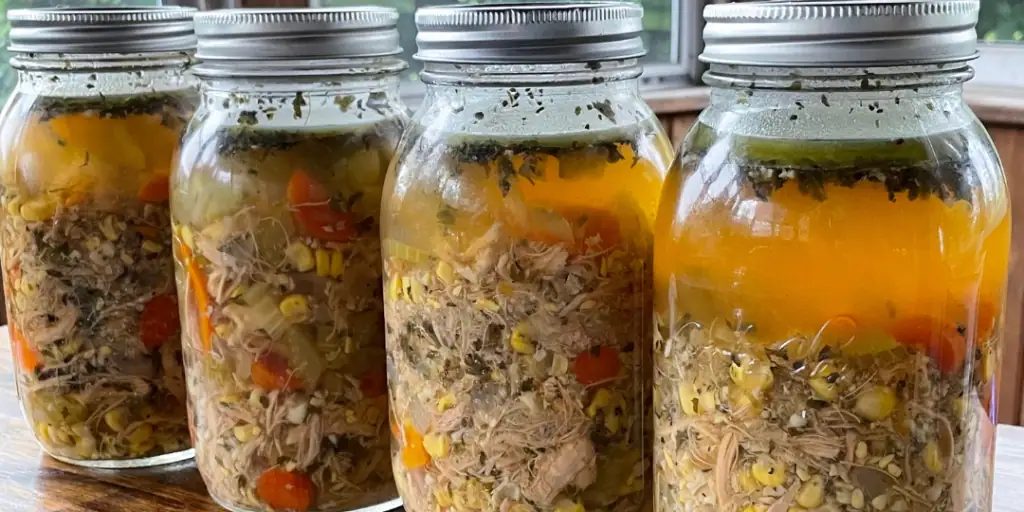
- Fill jars only up to 2/3 full to leave room for expansion.
- Use jars with straight sides to avoid pressure points.
- Do not tighten lids too much before freezing.
- Thaw jars slowly in the fridge to prevent cracking.
Preparing Soup For Freezing
Preparing soup for freezing in mason jars takes a few careful steps. Proper preparation keeps the soup fresh and safe. It also prevents jars from breaking in the freezer. Follow these tips to freeze your soup correctly.
Cooling Soup Before Pouring
Let the soup cool down before filling the jars. Hot soup can crack glass jars or cause sealing problems. Place the soup in a bowl and let it sit at room temperature. Stir occasionally to help it cool faster. Avoid putting hot soup directly into the freezer.
Leaving Space For Expansion
Soup expands when frozen. Always leave enough space at the top of the jar. Leave about 1 to 2 inches of headspace. This space prevents the jar from cracking as the soup freezes. Do not fill the jar to the brim.
Sealing Jars Properly
Use clean, dry lids and rings for sealing. Screw the lids on just until they are fingertip tight. Avoid over-tightening, which can cause the jar to break. Store the jars upright in the freezer for best results.
Freezing And Thawing Tips
Mason jars can safely freeze soup if you leave space for expansion. Avoid filling jars to the top to prevent cracking. Thaw soups slowly in the fridge for best results and even heating.
Freezing soup in mason jars can be convenient and practical. Proper methods ensure your soup stays fresh and delicious. Understanding freezing and thawing tips will help maintain quality and safety. Let’s explore some helpful practices.
Best Freezing Practices
Use mason jars specifically designed for freezing. These jars withstand low temperatures without breaking. Leave about an inch of space at the top. Soup expands when frozen, so this prevents jars from cracking. Allow the soup to cool before pouring it into the jars. Hot soup can cause thermal shock, risking jar breakage. Seal jars tightly to avoid air exposure, which can lead to freezer burn.
Safe Thawing Methods
Thaw soup in the refrigerator for a slow, safe process. It can take several hours or overnight. This method helps maintain texture and flavor. For faster thawing, place the jar in a bowl of cold water. Change the water every 30 minutes until thawed. Avoid using hot water to thaw, as it may cause the jar to crack.
Reheating Soup From Mason Jars
Transfer thawed soup to a pot before reheating. Heat the soup on the stove over medium heat. Stir occasionally for even warming. Microwave reheating is possible, but remove the soup from the jar first. Ensure soup reaches a safe temperature before serving. This ensures safe consumption and optimal taste.

Credit: www.kitchenparade.com
Credit: homelyhens.com
Frequently Asked Questions
Can Mason Jars Safely Freeze Hot Soup?
No, let soup cool before freezing to avoid jar breakage from heat.
How Much Should I Fill A Mason Jar For Freezing Soup?
Fill jars only 2/3 full to allow soup to expand when frozen.
Can I Freeze All Types Of Soup In Mason Jars?
Most soups freeze well, but avoid freezing soups with cream or pasta.
How Long Does Soup Last Frozen In Mason Jars?
Soup can last up to 3 months in the freezer for best taste.
Should I Thaw Soup In The Fridge Or Microwave?
Thaw soup in the fridge overnight or use the microwave for quick thawing.
Conclusion
Freezing soup in mason jars works well with some care. Leave space at the top to allow for expansion. Use jars that are freezer-safe to avoid cracks. Cool the soup before sealing the jars tightly. Label each jar with the date and type of soup.
This method saves time and reduces food waste. Enjoy homemade soup anytime with this easy storage trick. Keep your kitchen organized and your meals ready to go. Simple steps can make freezing soup safe and effective.