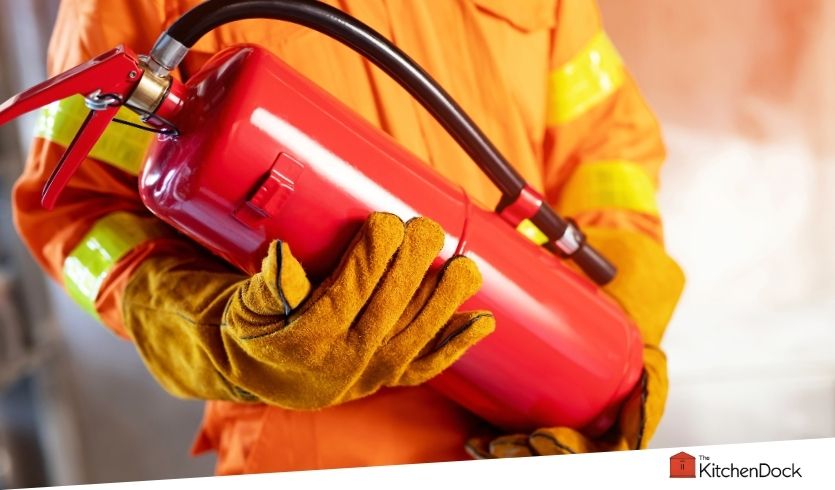
Have you ever faced a sudden grease fire in your kitchen and wondered what to do next? If you’re like most people, your first thought might be to grab a fire extinguisher.
But can you actually use one on a grease fire without making things worse? Knowing the right way to handle a grease fire could save your home—and even your life. Keep reading to discover the crucial steps you need to take, the common mistakes to avoid, and how to stay safe when flames flare up in your kitchen.
This knowledge could be a game-changer the next time you face an unexpected fire emergency.

Credit: www.firstalert.com
Types Of Fires In Kitchens
Kitchen fires can start quickly and spread fast. Knowing the types of fires helps prevent damage and injury. Different fires need different ways to put them out. Understanding what causes each fire is key to staying safe in the kitchen.
What Causes Grease Fires
Grease fires start when cooking oil gets too hot. Oil can catch fire if it reaches its flash point. Hot oil splashes or spills can also ignite. Leaving cooking unattended raises the risk of grease fires. These fires burn very hot and spread fast.
Other Common Kitchen Fires
- Electrical Fires:Caused by faulty wiring or appliances.
- Gas Fires:Result from gas leaks or stove issues.
- Paper or Fabric Fires:Start from items near the stove catching fire.
- Plastic Fires:Begin when plastic items melt or ignite near heat.
Each fire type needs the right response. Knowing the cause helps choose the best way to act.
Choosing The Right Fire Extinguisher
Choosing the right fire extinguisher can make all the difference in safely handling a grease fire. Not all extinguishers work the same way, and using the wrong type can worsen the situation. Before an emergency arises, understanding your options helps you act quickly and confidently.
Fire Extinguisher Classes
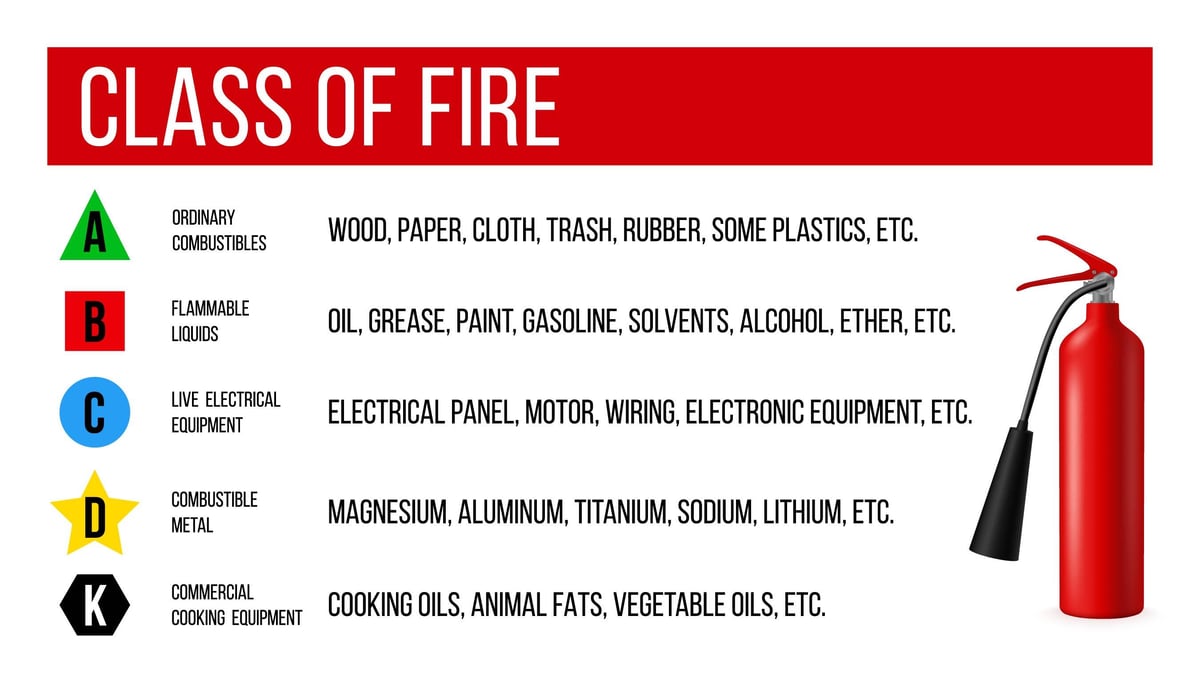
Fire extinguishers are categorized by classes based on the type of fire they are designed to fight. Knowing these classes is key to picking the right one for your kitchen or workspace.
- Class A:For ordinary combustibles like wood, paper, and cloth.
- Class B:For flammable liquids such as gasoline, oil, and grease.
- Class C:For electrical fires involving energized equipment.
- Class D:For combustible metals like magnesium and sodium.
- Class K:Specifically for kitchen fires involving cooking oils and fats.
Each class targets different fire sources, so mixing them up can be dangerous. Have you ever wondered what happens if you use a water-based extinguisher on a grease fire? It can cause the fire to spread rapidly, making the situation worse.
Extinguishers Safe For Grease Fires
For grease fires, not every extinguisher will do. You need one that can safely smother the flames without causing splatter or flare-ups.
- Class K Extinguishers:These are designed for kitchen fires involving oils and fats. They use a special extinguishing agent that cools the fire and forms a barrier to prevent re-ignition.
- Wet Chemical Extinguishers:Often the same as Class K, these work well on grease fires by chemically reacting with the burning oil to suppress flames.
- Multipurpose ABC Extinguishers:While great for general use, they are not always recommended for grease fires. They may not be effective enough to safely control a deep fat fire.
Choosing a fire extinguisher rated for grease fires means you can act without hesitation. Have you checked if your kitchen extinguisher is a Class K? If not, this might be the time to upgrade your fire safety equipment.
Proper Steps For Handling Grease Fires
Handling a grease fire requires quick thinking and the right actions. Grease fires spread fast and can be very dangerous. Using the wrong method can make the fire worse. Knowing the proper steps helps keep you safe and protects your home.
What Not To Do
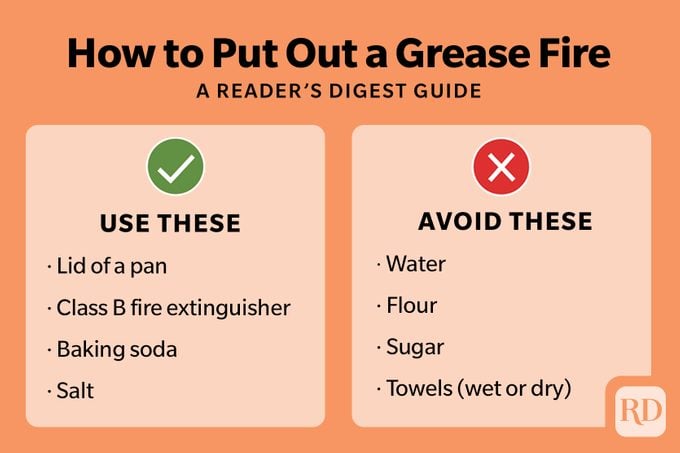
- Do not pour water on a grease fire. It makes the fire spread instantly.
- Avoid moving the pan. Moving it can cause hot oil to spill.
- Never try to carry the burning pan outside. It risks burns and spreading fire.
- Do not use a water-based extinguisher. It is not effective on grease fires.
Safe Fire Extinguishing Techniques
- Turn off the heat source immediately to stop fuel to the fire.
- Cover the pan with a metal lid or a cookie sheet to smother flames.
- Use a Class K fire extinguisher designed for kitchen fires when available.
- Sprinkle baking soda or salt to help put out small flames safely.
- Call emergency services if the fire grows or cannot be controlled quickly.
Credit: www.rd.com
Credit: blog.koorsen.com
Frequently Asked Questions
Can You Use A Water Extinguisher On A Grease Fire?
No. Water can spread grease fires and make them worse. Use a fire extinguisher made for grease fires instead.
What Type Of Fire Extinguisher Is Best For Grease Fires?
Class K fire extinguishers are best for kitchen grease fires. They cool and smother the flames safely.
How Do You Safely Put Out A Grease Fire?
Turn off heat, cover the pan with a lid, and use a Class K extinguisher if needed.
Why Should You Not Throw Flour Or Sugar On A Grease Fire?
Flour and sugar can catch fire and cause explosions. Avoid using them on grease fires.
Can A Fire Extinguisher Damage Kitchen Appliances?
Using the right extinguisher might cause minor damage, but it saves lives and stops the fire quickly.
Conclusion
Grease fires need special care and the right tools. Regular fire extinguishers can make grease fires worse. Use a Class K extinguisher or baking soda instead. Never pour water on a grease fire. Stay calm and act fast to keep safe.
Knowing what to do saves lives and homes. Always keep the proper extinguisher nearby in the kitchen. Safety first. Simple steps can stop a big fire.