Do you have an old or used fire extinguisher sitting around and wonder how to get rid of it safely? Disposing of a fire extinguisher might seem simple, but doing it the wrong way can be risky for you and the environment.
You’ll learn the exact steps to take to dispose of your fire extinguisher properly. Follow these tips to keep yourself safe and avoid fines or hazards. Keep reading to find out what you need to do next!
Credit: www.residuosllorens.es
Types Of Fire Extinguishers
Fire extinguishers come in different types. Each type is designed for specific fires. Knowing the type helps in safe and proper disposal.
Choosing the right extinguisher prevents damage and injury. It also ensures the extinguisher works effectively during emergencies.
Common Extinguisher Categories
- Water-based extinguishers:Best for ordinary combustibles like wood and paper.
- Foam extinguishers:Used for flammable liquids like gasoline or oil.
- Dry chemical extinguishers:Effective on electrical fires and flammable liquids.
- Carbon dioxide (CO2) extinguishers:Suitable for electrical fires and flammable liquids.
- Wet chemical extinguishers:Designed for kitchen fires involving cooking oils and fats.
Identifying Your Extinguisher Type
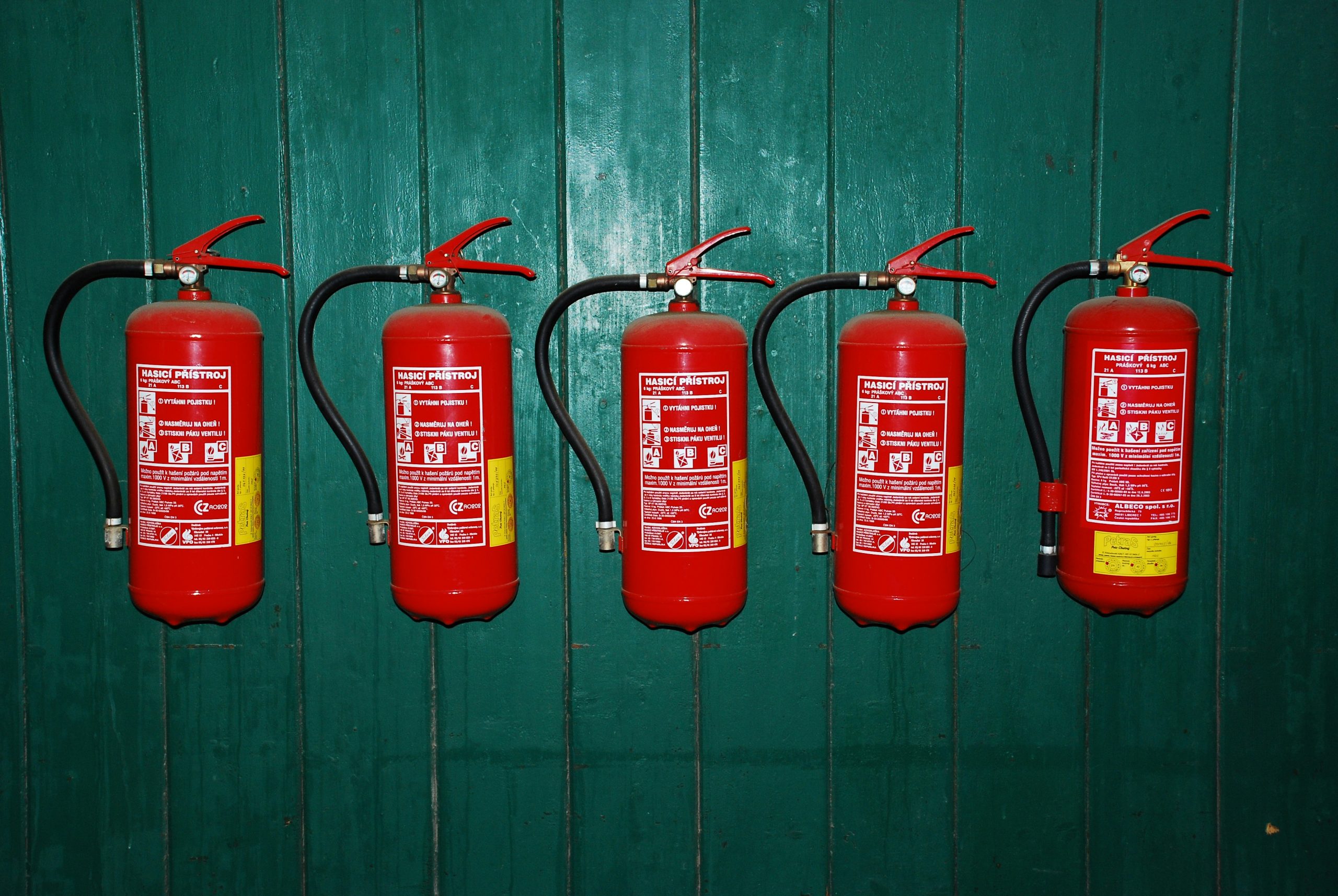
Look for the label on the extinguisher body. It shows the fire classes it can handle. Classes include A, B, C, D, and K.
Check the color of the label or band. Colors often indicate the extinguisher type. For example, red for water, blue for dry powder.
Note the instructions printed on the label. They describe how and where to use the extinguisher safely.
Credit: cyca.com.au
Preparation Before Disposal
Before you toss out your fire extinguisher, some prep work is crucial. Proper preparation ensures safety for you and others, plus it helps the environment. Skipping these steps can lead to accidents or fines, so let’s get it right.
Checking Pressure Levels
First, check the pressure gauge on your extinguisher. The needle should be in the green zone—this means it’s still charged and potentially dangerous if not handled properly. If the needle is in the red or below, your extinguisher is empty or depressurized, making it safer to handle.
If you don’t see a gauge, your extinguisher might not have one, or it may be old. In that case, treat it as if it’s still pressurized to avoid surprises. Do you know where your extinguisher’s pressure gauge is? Take a moment to locate it now.
Emptying The Extinguisher Safely
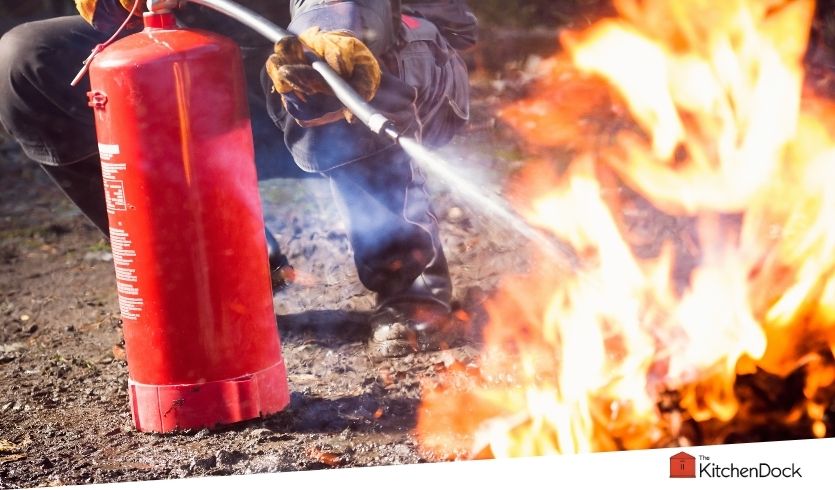
Emptying the extinguisher is the next step, but it requires caution. Take it outside to a well-ventilated area away from people and pets. Aim the nozzle away from yourself and others before squeezing the lever.
Discharge the extinguisher until it’s completely empty. This might take some time, so be patient. Keep in mind, some extinguishers release chemicals that could irritate your skin or eyes—wear gloves and safety glasses if possible.
Have you noticed how many people forget to empty their extinguisher before disposal? This simple act prevents accidents and makes recycling easier. Handling it empty also shows you’ve taken responsibility for safety.
Disposal Methods
Disposing of a fire extinguisher requires care and attention. Fire extinguishers contain chemicals and pressurized gases that can be dangerous. Proper disposal helps protect the environment and ensures safety. Several disposal methods are available depending on the type of extinguisher and local rules. Understanding these options simplifies the process and keeps hazards away.
Recycling Options
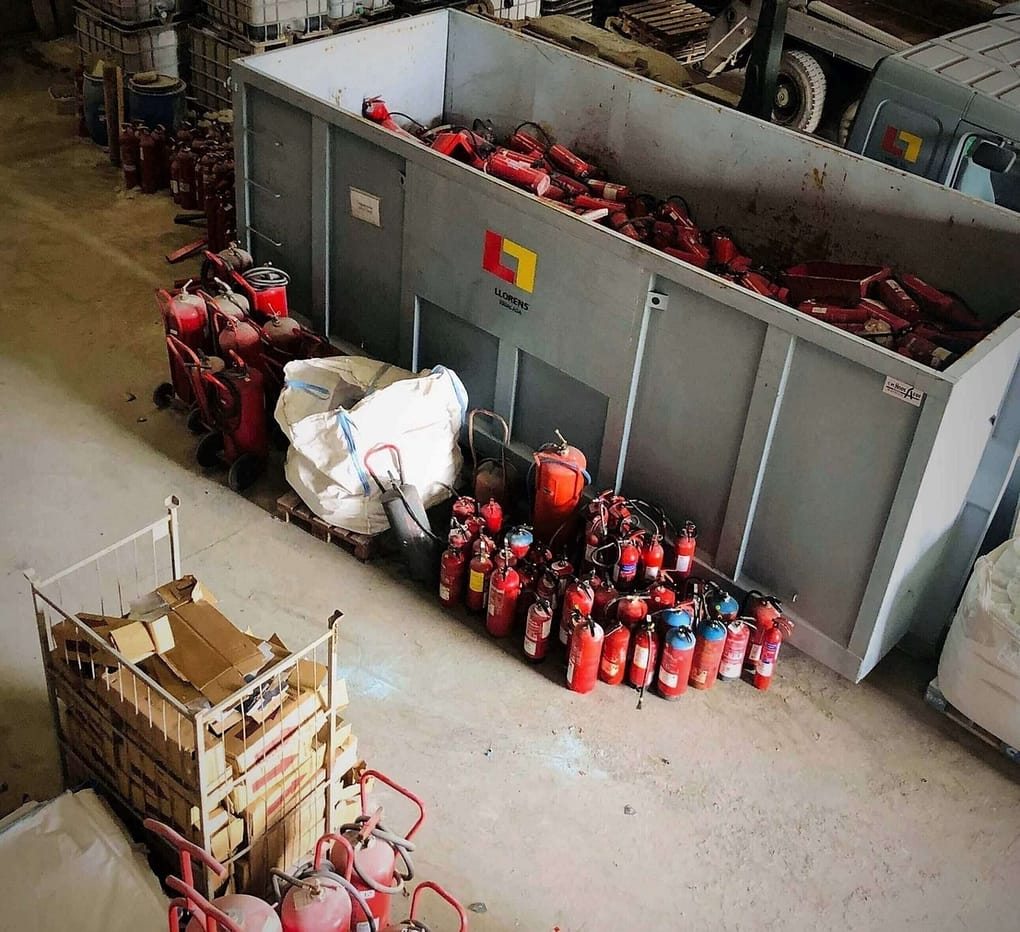
Many fire extinguishers have recyclable parts. Metal components like the cylinder and valve can be melted down and reused. Some recycling centers accept empty extinguishers after they are completely discharged. Check for local facilities that handle hazardous materials. Proper recycling reduces waste and recovers valuable materials safely.
Local Disposal Regulations
Disposal rules vary by region. Some places require special permits or specific drop-off locations. Fire extinguishers may be classified as hazardous waste. Contact local waste management or environmental agencies for guidance. Follow instructions carefully to avoid fines or environmental harm. Adhering to laws protects public health and the environment.
Professional Services
Many companies specialize in fire extinguisher disposal. They safely discharge, dismantle, and recycle parts. Professionals handle hazardous chemicals according to safety standards. This option saves time and reduces risk. Some services offer pickup and disposal for convenience. Choose licensed and insured providers for reliable service.

Credit: www.firetradesupplies.com
Frequently Asked Questions
How Do I Safely Dispose Of A Fire Extinguisher?
Empty the extinguisher completely. Take it to a local hazardous waste disposal site or recycling center.
Can I Throw A Fire Extinguisher In The Trash?
No. Fire extinguishers contain chemicals and pressure. They need special handling for disposal.
Where Can I Recycle An Old Fire Extinguisher?
Many fire stations, recycling centers, or hazardous waste facilities accept old fire extinguishers.
Should I Remove The Extinguisher’s Contents Before Disposal?
Yes. Discharge the extinguisher outdoors until empty to prevent accidents during disposal.
How Often Should I Replace My Fire Extinguisher?
Replace or service your extinguisher every 5 to 15 years, based on manufacturer guidelines.
Conclusion
Disposing of a fire extinguisher safely protects you and the environment. Always check local rules before throwing it away. Many places have special drop-off points for old extinguishers. Never put them in regular trash. Empty or damaged units need careful handling.
Taking the right steps keeps your home and community safe. Remember, proper disposal is a small effort with big benefits. Stay responsible and help protect the planet.