Have you ever reached for your dry measuring cups when a recipe called for liquid ingredients? It might seem like a simple shortcut, but using dry measuring cups for liquids can lead to unexpected results in your cooking or baking.
If you want your dishes to turn out just right every time, understanding the difference between these tools is key. Keep reading to discover why using the right measuring cup matters—and how it can make your recipes more reliable and delicious.
Credit: kirbiecravings.com
Differences Between Dry And Liquid Cups
Understanding the differences between dry and liquid measuring cups can save you from kitchen mishaps. These tools may look similar, but they serve distinct purposes. Using the wrong type can affect your recipe’s outcome, especially in baking where precision is key.
Design And Measurement Accuracy
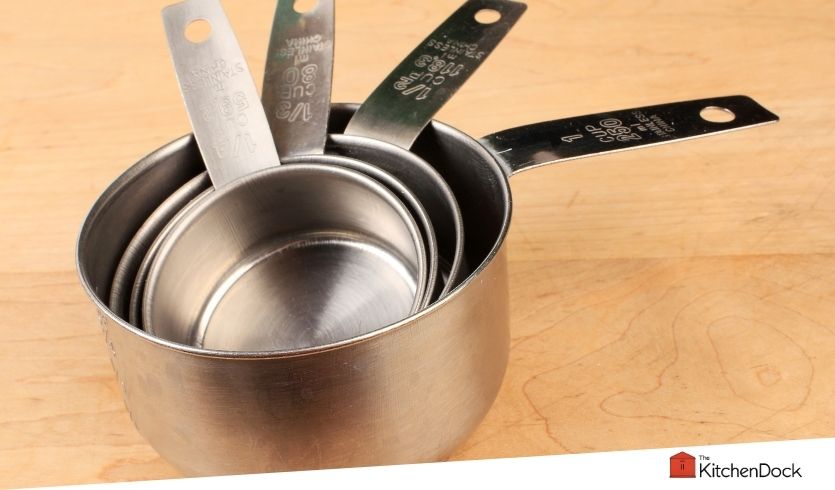
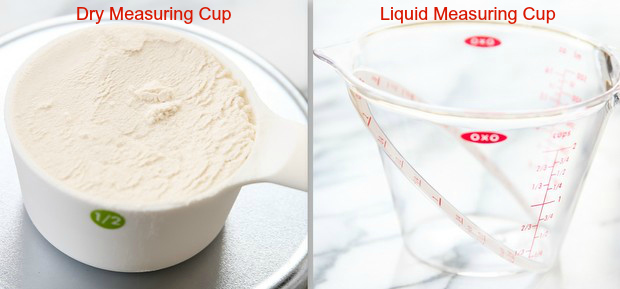
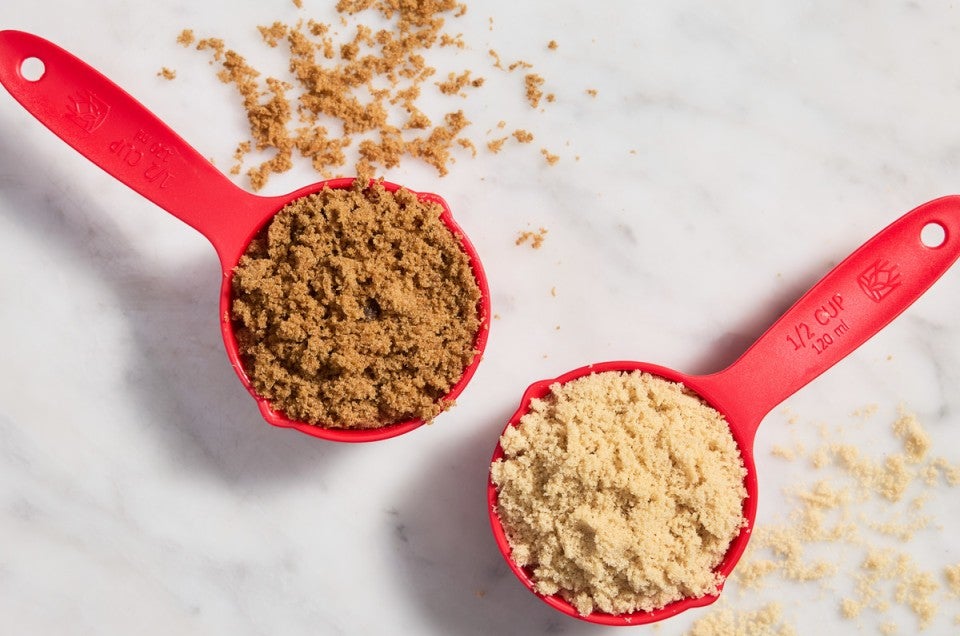
Dry measuring cups are designed to be filled to the top and then leveled off with a flat edge. This ensures you get an exact amount of dry ingredients like flour or sugar without any gaps. They usually come in sets with sizes like 1 cup, 1/2 cup, and so on.
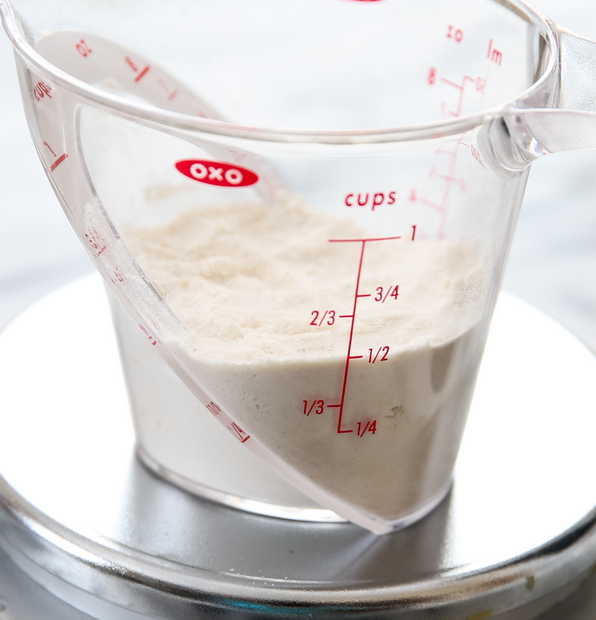
Liquid measuring cups have extra space at the top to prevent spills when pouring. They come with a spout for easy pouring and measurement lines on the side. You can measure various volumes of liquid without needing to level them off, which makes them more accurate for liquids.
Have you ever tried measuring honey or syrup with a dry cup? It’s tricky because these sticky liquids don’t level off neatly, leading to inaccurate measurements.
Materials And Construction
Dry cups are often made from plastic or metal. Their solid build lets you scoop and pack ingredients firmly without bending or breaking. This sturdiness helps when measuring heavier or denser items.
Liquid measuring cups are usually made of glass or clear plastic. This transparency allows you to see the liquid’s meniscus (the curve) clearly at eye level for precise readings. Many also have heat-resistant properties, letting you measure warm liquids safely.
Think about your kitchen tools: do you own a liquid cup made of glass? It’s easier to clean and less likely to stain compared to plastic dry cups, especially after measuring colorful liquids like tomato sauce.
Risks Of Using Dry Cups For Liquids
Using dry measuring cups for liquids might seem convenient, but it carries some hidden risks that can affect your cooking and baking results. These cups are designed differently from liquid measuring cups, and using them interchangeably can lead to problems you might not expect. Understanding these risks helps you avoid common kitchen mistakes and improve your recipe outcomes.
Inaccurate Measurements
Dry measuring cups are meant to be filled to the top and leveled off, which works well for flour, sugar, and other solids. Liquids, however, need to be measured at eye level with a spout to pour easily without spilling. When you use a dry cup for liquids, you might overfill or underfill because you can’t see the meniscus clearly.
Imagine trying to measure 1 cup of milk using a dry cup. The milk’s surface tension can cause it to stick above the rim, leading to more liquid than needed. This small difference can add up, especially in recipes that rely on precise liquid amounts, like cakes or sauces.
Impact On Recipes
Have you ever baked a cake that turned out too dense or a soup that was too watery? Using the wrong measuring tools could be the culprit. Too much liquid can change the texture, cooking time, and flavor balance of your dish.
For example, if you add too much water or broth because of an inaccurate liquid measurement, your stew might become thin and lose its rich taste. On the other hand, too little liquid can make dough dry and tough, affecting the final product’s quality. Are you willing to risk your recipe’s success just to save a few seconds?
Tips For Correct Measuring Practices
Measuring ingredients correctly is key for cooking and baking success. Using the right tools and methods helps ensure accuracy. It also prevents mistakes that can affect taste and texture. Follow these tips to measure liquids and dry ingredients properly.
Choosing The Right Tools
Select tools made for the ingredient type. Use liquid measuring cups for liquids. They often have a spout for easy pouring and clear markings. Dry measuring cups are best for powders and grains. They come in sets of different sizes and allow leveling off for accuracy.
Glass or plastic liquid cups let you see the amount from the side. Avoid using dry cups for liquids. They don’t provide precise measures and cause spills. Use spoons for small amounts of both liquids and dry ingredients. Keep your measuring tools clean and dry before use.
Best Techniques For Measuring Liquids
Place the liquid measuring cup on a flat surface. Pour the liquid slowly to avoid overfilling. Bend down to eye level to check the measurement. Read the amount at the bottom of the meniscus—the curve of the liquid.
Pour liquids carefully to prevent splashing. Use a steady hand and pour close to the cup’s edge. For sticky liquids like honey, lightly oil the cup first. This helps the liquid slide out easily and keeps measurements accurate.
Credit: kirbiecravings.com
Credit: www.kingarthurbaking.com
Frequently Asked Questions
Can Dry Measuring Cups Measure Liquids Accurately?
Dry measuring cups are not designed for liquids and often cause spills and inaccurate measurements.
Why Are Liquid Measuring Cups Better For Liquids?
Liquid cups have a spout and clear markings for easy pouring and precise measurements.
What Problems Occur Using Dry Cups For Wet Ingredients?
Using dry cups for liquids can cause overflow and incorrect ingredient amounts in recipes.
Can Using Dry Cups Affect Recipe Results?
Yes, wrong liquid amounts can change texture and taste, leading to poor baking or cooking.
Is It Safe To Use Dry Cups For Small Liquid Amounts?
Measuring small liquids with dry cups is tricky and may lead to errors; use liquid cups instead.
Conclusion
Dry measuring cups are best for solids like flour and sugar. Liquid measuring cups work well for water, milk, and oils. Using the right cup helps you get accurate measurements every time. This makes your cooking and baking turn out better.
Avoid guessing with dry cups for liquids. It saves time and prevents mistakes. Stick to the proper tools for easy and successful recipes. Simple steps lead to great results in the kitchen.