Are you unsure about how much water to add when cooking 2 cups of rice in your rice cooker? Getting the water-to-rice ratio just right can make all the difference between perfectly fluffy rice and a mushy or dry mess.
You want your rice to come out tender, not sticky or undercooked. You’ll discover the simple, foolproof water measurements that guarantee great results every time. Keep reading, and you’ll never have to guess again when cooking rice in your rice cooker!

Credit: www.theincrediblebulks.com
Ideal Water To Rice Ratio
Getting the water to rice ratio right is key to cooking perfect rice in your rice cooker. Too much water makes the rice mushy, while too little leaves it dry and undercooked. Knowing the ideal amount of water for 2 cups of rice can save you from guesswork and disappointing meals.
Standard Measurements For White Rice
For 2 cups of white rice, the general rule is to use about 2 to 2.5 cups of water. This ratio varies slightly depending on the rice cooker brand and your personal texture preference.
Most rice cookers recommend a 1:1 water-to-rice ratio by volume for white rice, but adding a little extra water can help if you want softer rice. If you prefer firmer grains, stick closer to equal parts.
| Rice Amount | Water Amount | Texture Result |
|---|---|---|
| 2 cups | 2 cups | Firm, separate grains |
| 2 cups | 2.25 cups | Soft, slightly sticky |
| 2 cups | 2.5 cups | Very soft, sticky |
Adjustments For Different Rice Types
Not all rice behaves the same. Brown rice, jasmine, basmati, and sticky rice all need different water amounts.
- Brown rice:Use about 2.5 to 3 cups of water per 2 cups of rice. The outer bran layer requires more water and time to cook properly.
- Jasmine rice:Stick to roughly 2 to 2.25 cups of water per 2 cups of rice for fluffy, aromatic grains.
- Basmati rice:Use around 1.75 to 2 cups of water for 2 cups of rice to keep the grains long and separate.
- Sticky rice:Needs more water, about 2.5 cups, and a soaking period before cooking to achieve the right texture.
Have you ever noticed your rice turning out too mushy or too dry? Tweaking these ratios based on rice type can make a big difference. Try adjusting the water next time you cook and see how much it changes your results.
Tips For Using A Rice Cooker
Using a rice cooker makes cooking rice simple and quick. Following a few useful tips can improve your results. Proper water measurement and avoiding common mistakes help achieve fluffy, well-cooked rice every time. These tips save time and reduce frustration in the kitchen.
Measuring Water Accurately
Use the rice cooker’s measuring cup for rice and water. It is often smaller than a standard cup. Add water to the line marked for the number of cups of rice. For 2 cups of rice, fill water to the “2” line inside the cooker. Avoid guessing water amounts. Too much water makes rice mushy. Too little water leaves it hard or undercooked.
Use a clear measuring cup if your cooker doesn’t have markings. Pour water slowly to reach the correct level. Remember, rinsing rice before cooking changes water absorption, so measure water after rinsing.
Common Mistakes To Avoid
- Adding too much water leads to soggy rice.
- Skipping the rinse step leaves excess starch on rice.
- Opening the lid during cooking lets steam escape, causing uneven cooking.
- Not using the right rice-to-water ratio for your rice type.
- Forgetting to let rice rest after cooking makes it sticky and wet.
Follow these tips for better rice texture. Use proper water measurement and avoid these mistakes. Your rice cooker will deliver perfect rice every time.
Enhancing Rice Texture
Enhancing rice texture is key to enjoying perfect rice every time. The right texture makes rice fluffy, soft, and separate. Achieving this depends on water amount, preparation, and cooking method. Small changes create big differences in the final dish.
Soaking And Rinsing Techniques
Soaking rice before cooking helps soften the grains. Soak 2 cups of rice for about 20 to 30 minutes. This reduces cooking time and improves texture.
Rinsing rice removes excess starch. Rinse under cold water until it runs clear. This prevents rice from becoming sticky or mushy.
Use a fine mesh strainer for rinsing. Gently stir rice with your hand to clean all grains.
Cooking Time Considerations
Cooking time affects rice texture. Longer cooking makes rice softer but may cause mushiness. Shorter cooking keeps rice firmer but less tender.
Rice cookers usually adjust time automatically. For 2 cups of rice, cooking time is about 15 to 20 minutes. Let the rice rest for 10 minutes after cooking to finish steaming.
Avoid opening the lid during cooking. This keeps steam inside and helps rice cook evenly.
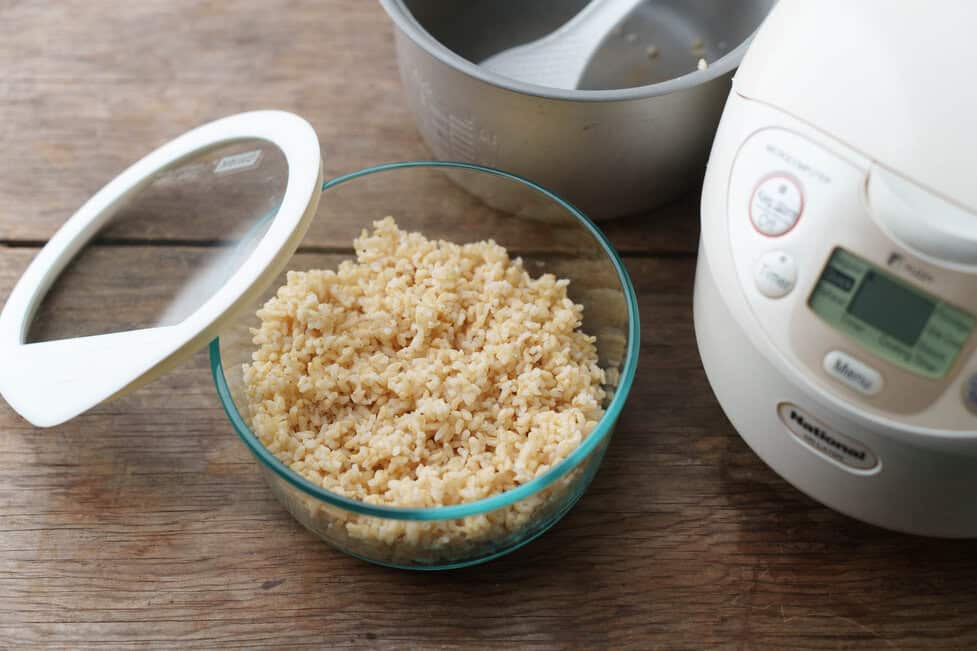
Credit: www.hungryhuy.com
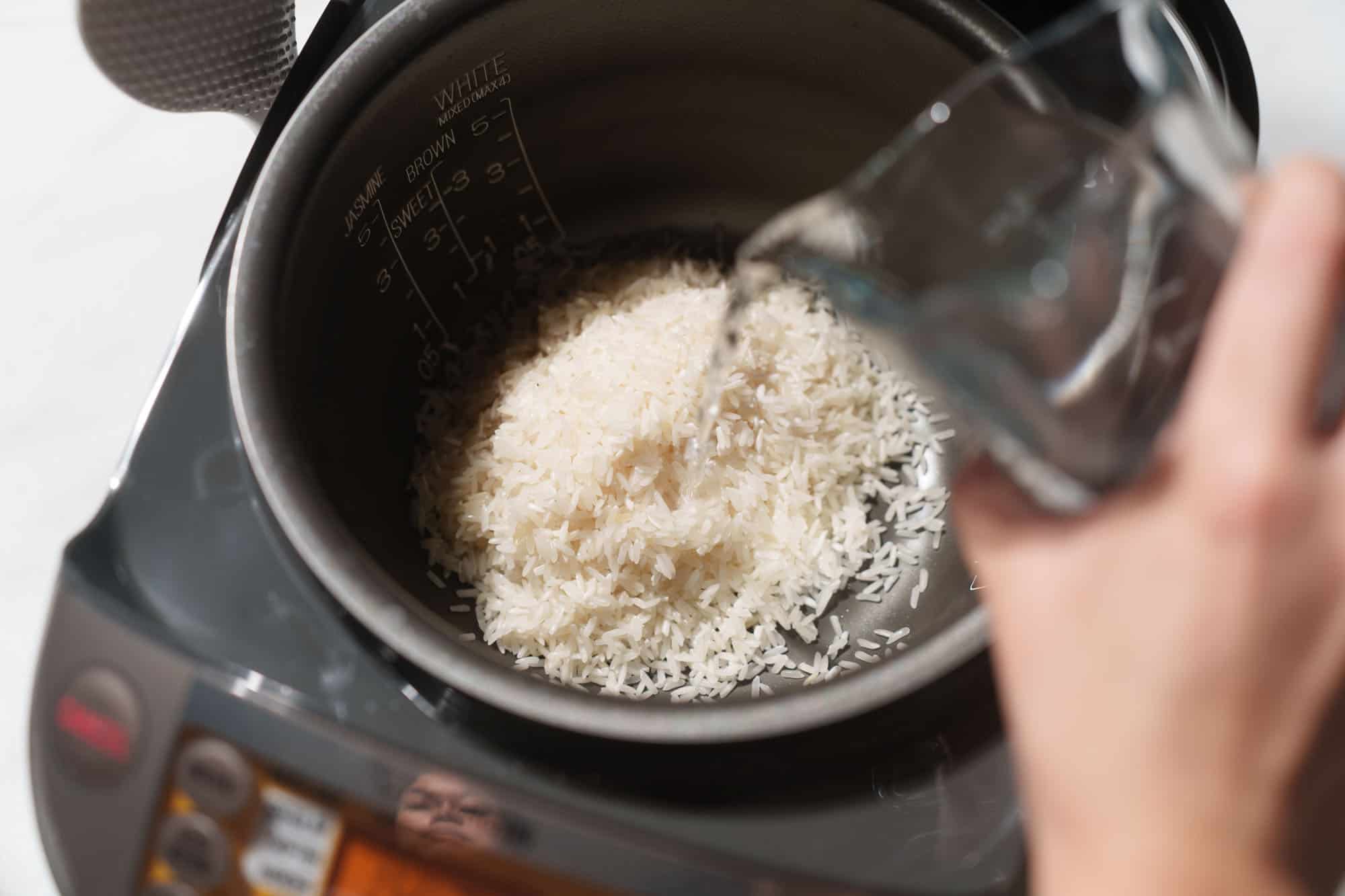
Credit: www.hungryhuy.com
Frequently Asked Questions
How Much Water Do I Need For 2 Cups Of Rice?
Use about 3 to 3. 5 cups of water for 2 cups of uncooked rice in a rice cooker.
Can I Use Less Water For Softer Rice?
Less water makes rice firmer but can also cause it to burn or stick.
Does Rice Type Affect Water Amount In A Rice Cooker?
Yes, brown rice needs more water than white rice for proper cooking.
How To Measure Water For Rice Without A Cup?
Use the rice cooker’s water level marks or a kitchen scale for accuracy.
What Happens If I Add Too Much Water To Rice?
Too much water makes rice soggy and mushy, losing its texture and taste.
Conclusion
Cooking 2 cups of rice in a rice cooker needs the right water amount. Usually, use about 2 to 2. 5 cups of water for soft rice. Adjust water slightly if you want firmer or softer rice. Rice cookers may vary, so check your model’s guide.
Proper water helps rice cook evenly and taste great. Try these tips for perfect rice every time. Enjoy your meal with well-cooked rice!