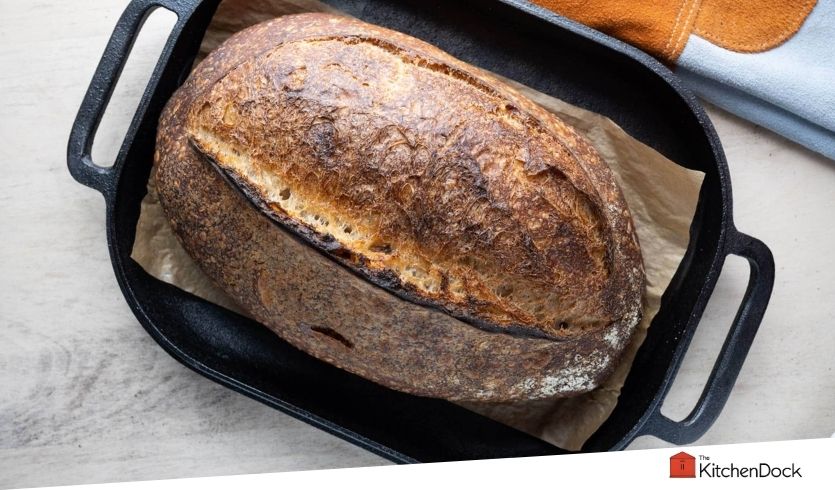
Have you ever wanted to bake a delicious, crusty loaf of bread at home but didn’t have a Dutch oven? You’re not alone.
Many people think a Dutch oven is a must-have for homemade bread, but that’s not true. You can achieve amazing results with simple tools you already have in your kitchen. Imagine pulling out a warm, golden loaf that smells incredible and tastes even better—all without special equipment.
Keep reading, and you’ll discover easy, effective ways to bake bread without a Dutch oven. Your perfect homemade bread is closer than you think.

Credit: idiesfarm.com
Alternative Baking Tools
If you don’t have a Dutch oven, don’t worry—you can still bake beautiful, crusty bread using other tools you likely already have in your kitchen. Alternative baking tools can create the steam and heat retention needed to mimic a Dutch oven’s environment.
These options allow you to experiment and find what works best for your oven and bread type. Ready to explore some practical substitutes? Let’s dive into three effective alternatives.
Using A Cast Iron Skillet
A cast iron skillet is an excellent stand-in for a Dutch oven. Preheat the skillet in your oven to get it really hot, then place your dough inside. The heavy metal holds heat well, helping to develop a nice crust.
For steam, add a few ice cubes or a splash of water to the skillet’s edge right after putting the dough in. This creates the moisture your bread needs to rise and form a crisp outer layer. Have you tried this trick before? It’s surprising how much it improves the crust!
Baking On A Sheet Pan
A simple sheet pan can also do the job if you adjust your technique. Preheat the pan in the oven so it’s hot, then slide your shaped dough onto it. To add steam, place a shallow pan of water on the bottom rack or spray the oven walls with water just after baking starts.
This method requires close attention because the crust won’t develop as quickly without the thick walls of a Dutch oven. But with a bit of care, you can get a crunchy, tasty loaf. What do you think—ready to give your sheet pan a new role?
Employing A Covered Casserole Dish
A covered casserole dish, especially one made of ceramic or glass, can trap steam similarly to a Dutch oven. Preheat the dish with its lid in the oven, then carefully place your dough inside and cover it immediately. The enclosed space holds moisture, helping your bread rise and form a soft crust initially.
Remove the lid halfway through baking to let the crust brown and crisp up. This approach lets you control the crust texture more precisely. Do you have a casserole dish that’s been waiting for a baking challenge?

Credit: www.youtube.com
Techniques For Crust And Texture
Baking bread without a Dutch oven can still yield a delicious crust and soft texture. The key lies in managing heat and moisture inside the oven. Simple tricks help recreate the conditions that a Dutch oven provides. These techniques enhance the bread’s crust and crumb for a satisfying bite.
Creating Steam In The Oven
Steam helps form a crispy, shiny crust. It keeps the bread surface moist during the first baking minutes. This allows the dough to expand fully before the crust hardens.
- Place a metal pan on the oven floor while preheating.
- Just before baking, pour hot water into the pan to create steam.
- Spray water inside the oven quickly after putting the bread in.
- Cover the bread loosely with a large metal bowl to trap steam.
Steam slows crust formation. This results in a thicker, crunchier crust once baked.
Adjusting Baking Times And Temperatures
Without a Dutch oven, heat distribution differs. Adjust oven temperature and time to bake evenly.
- Start baking at a high temperature, around 450°F (230°C).
- After 10-15 minutes, lower the heat to 400°F (205°C).
- Bake longer if the crust browns too fast but the inside feels doughy.
- Use an oven thermometer to monitor real temperature accurately.
These changes help create a golden crust and a soft, airy crumb inside.
Tips For Perfect Homemade Bread
Baking bread without a Dutch oven can feel challenging. Yet, simple tips can help you achieve soft, crusty, and tasty bread at home. Focus on choosing the right ingredients and following key techniques. These tips improve texture and flavor in every loaf.
Choosing The Right Flour
Flour type affects bread texture and rise. Use bread flour for more gluten and better structure. All-purpose flour works but may yield softer bread. Whole wheat flour adds flavor and nutrition but can make bread denser. Combine flours to balance taste and texture.
- Bread flour for chewy, airy bread
- All-purpose flour for softer crumb
- Whole wheat flour for nuttier flavor
Kneading And Proofing Tricks
Kneading develops gluten, which traps air bubbles. Knead dough until smooth and elastic, about 8-10 minutes by hand. Avoid over-kneading to keep bread tender. Proofing lets dough rise and develop flavor. Let dough rest in a warm, draft-free spot.
- Stretch and fold dough gently
- Use a damp cloth to cover dough
- Proof until dough doubles in size

Credit: www.youtube.com
Frequently Asked Questions
Can I Bake Bread Without Using A Dutch Oven?
Yes, you can bake bread on a baking sheet or in a covered pot instead.
What Can Replace A Dutch Oven For Baking Bread?
Use a heavy pot with a lid, a deep baking pan, or a cast-iron skillet.
How Do I Create Steam Without A Dutch Oven?
Place a pan of hot water in the oven to make steam during baking.
Will Bread Texture Change Without A Dutch Oven?
Bread may have a less crispy crust but still tastes soft and fresh inside.
How Long Should I Bake Bread Without A Dutch Oven?
Bake bread at 450°F for 30-40 minutes, adjusting time for crust color and doneness.
Conclusion
Baking bread without a Dutch oven is simple and fun. You can use a baking sheet, a cast-iron skillet, or even a covered pot. These methods help keep the bread moist and create a nice crust. Try different ways to see what works best for you.
Fresh homemade bread is always rewarding. Enjoy your baking journey and share your warm bread with family or friends. Keep practicing, and your bread will improve each time.