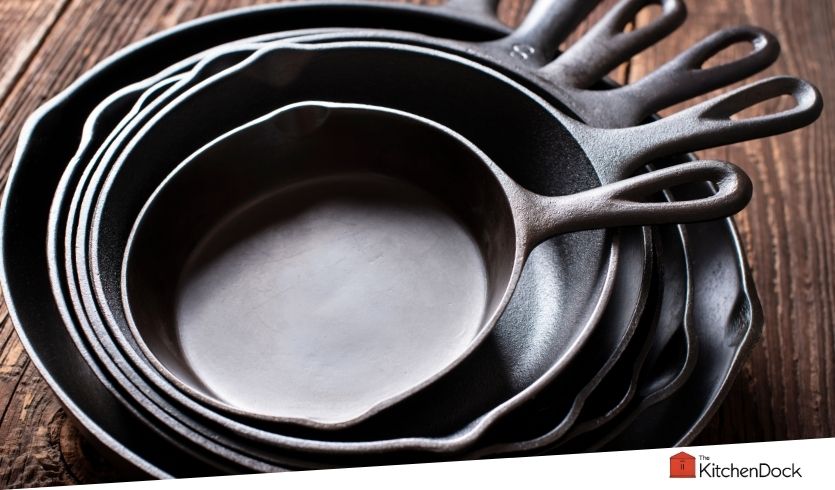
Is your cast iron skillet looking rusty and neglected? Don’t worry—you can bring it back to life with just a few simple steps.
Rust might seem like the end of the road for your favorite pan, but with the right approach, you can restore its natural non-stick surface and enjoy cooking with it again. In this guide, you’ll discover easy, effective ways to clean your rusty cast iron skillet so it’s ready for your next delicious meal.
Keep reading, and you’ll learn how to save your skillet and keep it lasting for years to come.
Credit: figgyandco.co.nz
Assessing Rust Severity
Before diving into cleaning your rusty cast iron skillet, it’s crucial to assess how severe the rust damage is. Knowing whether the rust is just on the surface or has deeply penetrated the metal will help you choose the right cleaning approach. This step can save you time and effort, and prevent further damage to your skillet.
Identifying Surface Vs. Deep Rust
Surface rust looks like a thin, flaky layer of orange or reddish discoloration. It usually wipes off easily with a cloth or mild scrubbing. If your skillet’s rust comes off without much force, you’re dealing with surface rust.
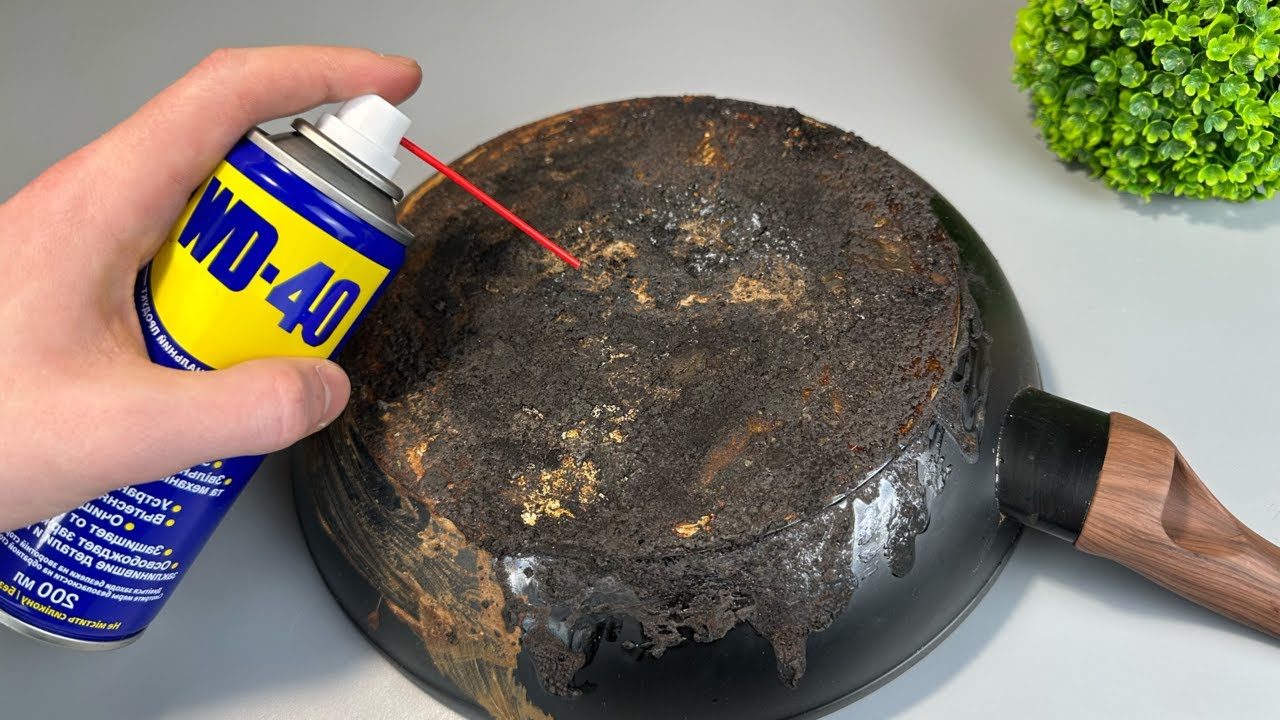
Deep rust, however, feels rough and uneven. It often pits the metal and may cause small holes or cracks. If scrubbing reveals dark, stubborn spots that don’t budge, the rust has likely penetrated deeper. This kind of rust needs more intensive treatment to restore your skillet.
Ask yourself: Does the rust come off with gentle effort, or do you need heavy scrubbing? This question will guide your next steps.
Tools Needed For Inspection
To properly check your skillet’s rust, gather a few simple tools:
- A soft cloth or paper towel for wiping
- A nylon brush or non-metallic scrubber to test scrubbing resistance
- A flashlight or good light source to see rust pits clearly
- A magnifying glass can help examine fine cracks or damage
These tools let you inspect the skillet closely without causing extra damage. A quick test with the brush can reveal whether the rust is surface-level or more serious. Don’t skip this step—you might be surprised how much detail you can uncover just by looking carefully.
Credit: www.youtube.com
Removing Rust Effectively
Removing rust from your cast iron skillet can feel like a tough job, but with the right approach, it’s completely manageable. The key is to remove rust without damaging the skillet’s surface, so it can be restored to its former cooking glory. Let’s break down effective ways to tackle rust, using materials you likely have at home or can easily find.
Using Natural Abrasives
Natural abrasives like coarse salt and baking soda work wonders for scrubbing away rust gently. Sprinkle a handful of coarse salt over the rusted areas, add a little water to make a paste, and scrub using a soft cloth or non-metal brush.
Baking soda also creates a mild abrasive paste when mixed with water. This method not only removes rust but also avoids harsh chemicals that can strip seasoning from your skillet. Have you tried using these kitchen staples as rust removers before? You might be surprised how effective they are.
Chemical Rust Removers
If natural abrasives don’t cut through heavy rust, chemical rust removers are a powerful alternative. Look for rust removers specifically labeled safe for cast iron to protect your skillet’s surface.
Follow the product instructions carefully, usually involving applying the remover, letting it sit, then rinsing thoroughly. Remember, after using any chemical, re-season your skillet to restore its protective coating. Have you ever wondered how professionals handle deeply rusted cast iron? These products are often their go-to solution.
Safe Scrubbing Techniques
Scrubbing is essential but requires care to avoid scratching or damaging your skillet. Use non-metal brushes, nylon scrubbers, or even a fine steel wool pad if the rust is stubborn.
Apply gentle pressure and always scrub along the skillet’s grain. Avoid harsh scrubbing tools like wire brushes or steel wool pads with heavy grit, which can ruin the pan’s surface. What scrubbing tools do you currently use? Switching to safer options might save your skillet from long-term damage.
Restoring And Seasoning
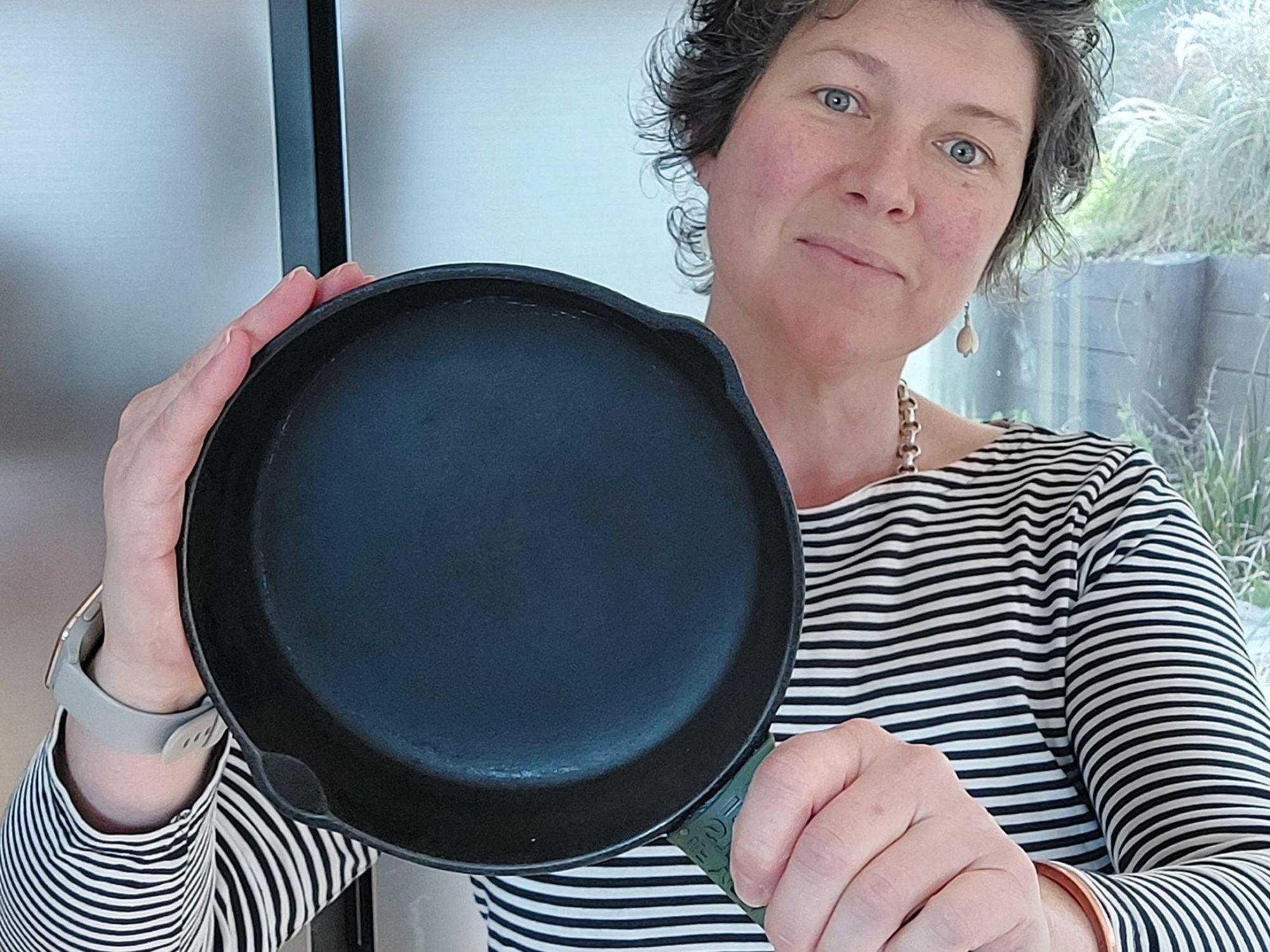
Removing rust from a cast iron skillet brings it back to life. Seasoning creates a smooth, non-stick surface that protects the pan. Regular care keeps it ready for cooking delicious meals.
Restoring and seasoning a rusty cast iron skillet can feel like bringing an old friend back to life. It’s a rewarding process that ensures your skillet remains a kitchen staple for years to come. With a bit of patience and the right techniques, you can transform a neglected piece into a shiny, non-stick cooking ally.
Cleaning After Rust Removal
Once you’ve scrubbed away the rust, the skillet needs a thorough cleaning. Use warm, soapy water and a stiff brush to remove any lingering debris. It’s crucial to dry the skillet immediately with a towel to prevent new rust from forming.
Applying Oil For Seasoning
Seasoning is the magic step that gives your skillet its non-stick surface. Start by applying a thin layer of vegetable oil or melted shortening over the entire surface, inside and out. Place the skillet upside down in an oven preheated to 375°F (190°C) and bake for an hour. This process allows the oil to polymerize, creating a durable, protective layer.
Maintaining Your Skillet’s Shine
After seasoning, maintenance is key to keeping your skillet in top condition. Always clean it after each use with hot water and avoid soap, which can strip away the seasoning. Dry it thoroughly and apply a thin coat of oil before storing to maintain that iconic cast iron sheen. Have you ever neglected a skillet only to revive it better than before? Regular care turns your skillet into a reliable cooking companion, ready to deliver delicious meals time and again.

Credit: troop279.us
Frequently Asked Questions
How Do I Remove Rust From A Cast Iron Skillet?
Use steel wool or a scrub brush with warm water to scrub off rust. Dry it well.
Can Vinegar Help Clean A Rusty Cast Iron Pan?
Soaking in vinegar can dissolve rust. Limit soak time to avoid damage to the pan.
What Is The Best Way To Dry A Cast Iron Skillet?
Dry quickly with a towel and heat on stove to remove all moisture.
Should I Re-season My Cast Iron After Cleaning Rust?
Yes, apply a thin layer of oil and bake it to restore the seasoning.
How Often Should I Clean And Season Cast Iron Cookware?
Clean after each use and season every few months to keep it rust-free and smooth.
Conclusion
Cleaning a rusty cast iron skillet takes patience and care. Use gentle scrubbing tools and mild cleaners to avoid damage. Dry the skillet well to stop rust from coming back. Season it with oil to keep the surface smooth and non-stick.
Regular maintenance helps your skillet last many years. Cooking with a clean, rust-free pan improves food taste. Take small steps each time you clean. Your cast iron will stay strong and ready for use. Simple habits make a big difference over time.
Keep your skillet in top shape for great meals.