Your cutting board is more than just a kitchen tool—it’s the foundation for every meal you prepare. But did you know that seasoning your cutting board can protect it, keep it looking fresh, and even make your food safer?
If you’ve never seasoned your board before, it might seem tricky. Don’t worry—you’re about to learn a simple, effective way to give your cutting board the care it deserves. Keep reading, and you’ll discover how to easily season your cutting board so it lasts longer and works better every time you use it.
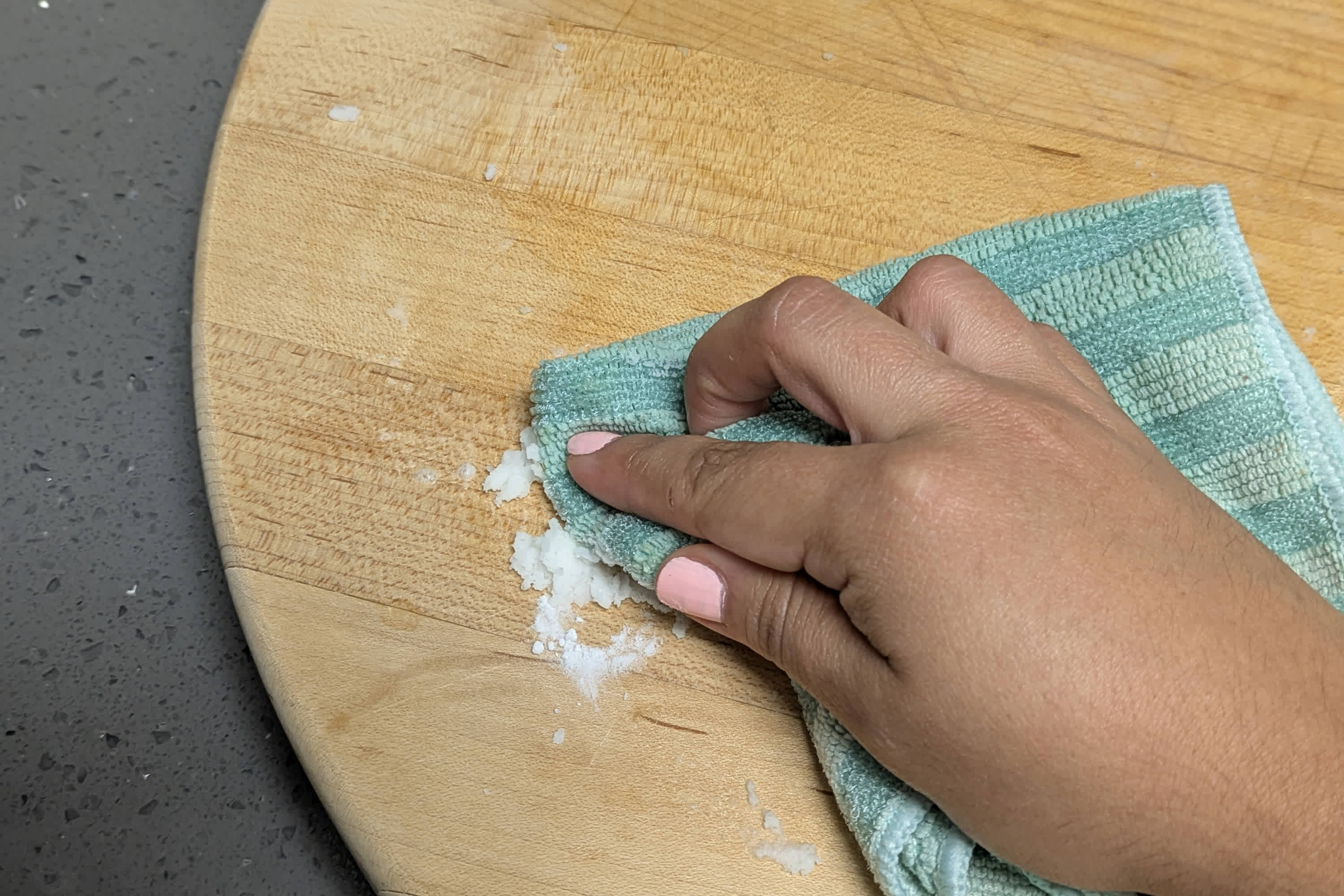
Credit: www.thekitchn.com
Choosing The Right Oil
Choosing the right oil is essential for seasoning a cutting board. The oil protects the wood and keeps it from cracking or drying out. It also makes the surface smooth and helps prevent food from sticking. Not all oils work well for this purpose. Some oils can turn sticky, go rancid, or harm the wood.
Food-safe Oils
Use oils that are safe to touch and taste. These oils do not spoil quickly and work well with wood. Common food-safe oils include:
- Mineral oil – odorless and tasteless, it soaks into wood easily.
- Coconut oil – solid at room temperature, but good for cutting boards.
- Walnut oil – natural and safe, but avoid if you have nut allergies.
- Beeswax mixed with oil – creates a protective layer on the board.
These oils keep the board safe for food preparation and help maintain its life.
Avoiding Harmful Treatments
Steer clear of oils that can spoil or damage the wood. Vegetable oils like olive or canola can turn sticky over time. This stickiness attracts dirt and bacteria. Some oils may also give off bad smells.
Do not use synthetic oils or those meant for machines. These are not safe for food contact. Avoid oils with additives or fragrances. They might harm your health and ruin the board’s surface.
Pick pure, natural oils made for food use only. This keeps your cutting board safe and healthy for cooking.

Credit: www.youtube.com
Step-by-step Seasoning Process
Seasoning a cutting board protects it from damage and extends its life. The process helps the wood resist water and stains. It also makes the board easier to clean and keeps it looking fresh. Follow these simple steps for the best results.
Cleaning The Board
Start with a clean cutting board. Wash it with warm water and mild soap. Use a soft sponge to remove any food residue. Rinse thoroughly and dry with a clean towel. Make sure the board is completely dry before moving on.
Applying The Oil
Choose a food-safe oil like mineral oil or beeswax. Pour a small amount onto the board’s surface. Use a clean cloth or paper towel to spread the oil evenly. Cover the entire board, including edges and sides. Apply a thin, even layer to avoid sticky spots.
Letting It Absorb
Allow the oil to soak into the wood. Leave the board in a warm, dry place for several hours or overnight. This helps the wood soak up the oil fully. Wipe off any excess oil before using the board. Repeat this process as needed to keep the board well-seasoned.
Maintaining Your Board
Maintaining your cutting board properly keeps it safe to use and extends its life. Neglecting care can lead to cracks, warping, or bacterial buildup. You don’t want to spend money replacing a board that just needs a little regular attention.
Regular Oiling Schedule
Oiling your board regularly prevents it from drying out and cracking. How often you oil depends on how frequently you use it, but a good rule is once a month for heavy use.
Use food-grade mineral oil or specialized cutting board oil. Apply a generous amount with a clean cloth and rub it in thoroughly. Let it soak for a few hours or overnight, then wipe off any excess.
Think about your own kitchen routine—does your board look dry or feel rough? If yes, it’s time to oil. Keeping a small bottle of oil near your board can remind you to maintain it regularly.
Proper Cleaning Methods
Cleaning your board correctly prevents bacteria and stains without damaging the wood. Avoid soaking your board in water or putting it in the dishwasher, which can cause warping.
- Wipe off food scraps with a scraper or a damp cloth.
- Wash with warm water and mild dish soap immediately after use.
- Rinse thoroughly and dry with a clean towel right away.
Every now and then, sprinkle coarse salt on the board and scrub with half a lemon. This natural method removes odors and light stains. Have you tried this trick before? It might surprise you how fresh your board can smell afterward.
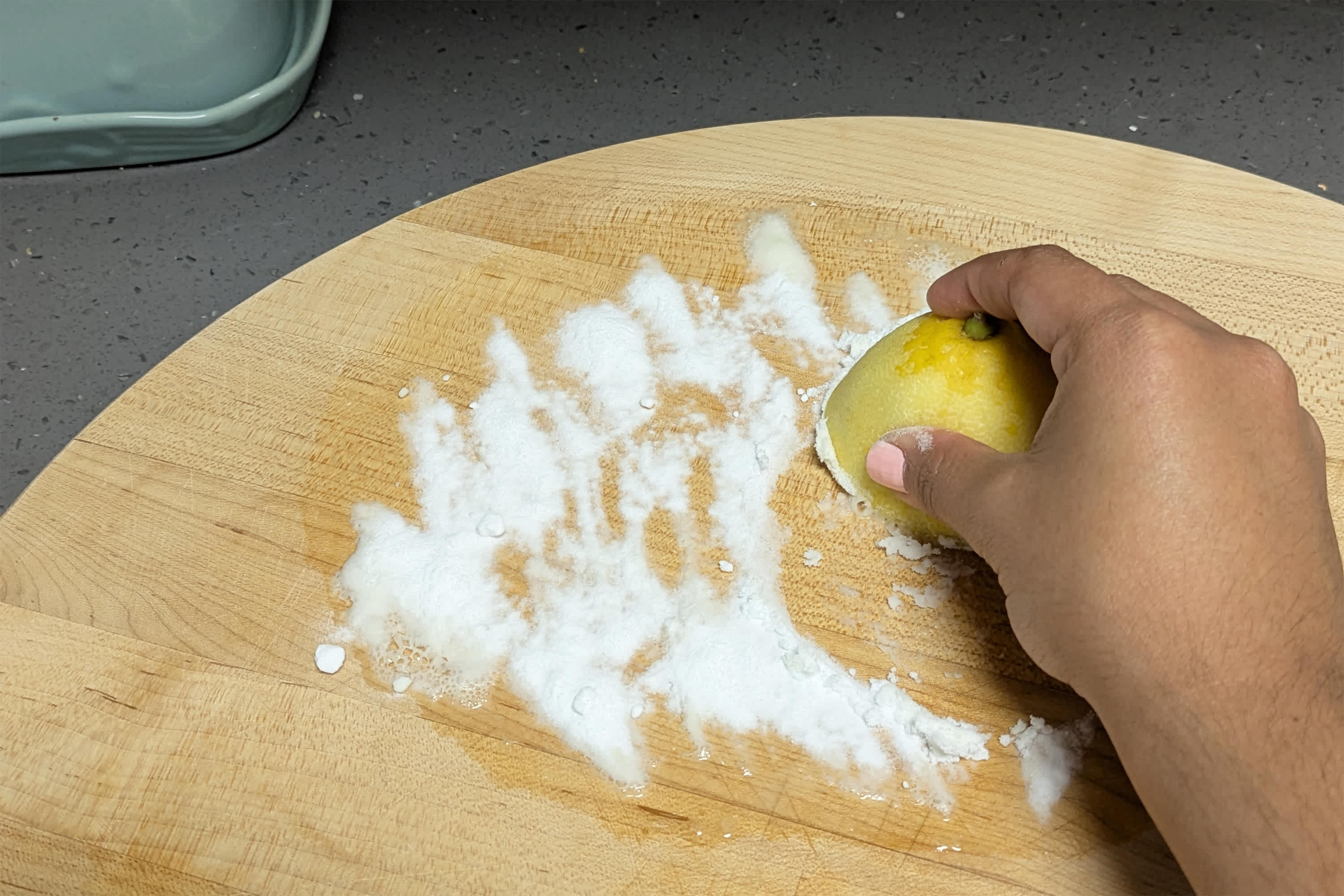
Credit: www.thekitchn.com
Frequently Asked Questions
How Often Should I Season My Cutting Board?
Season your cutting board once a month to keep it protected and prevent cracking.
What Type Of Oil Is Best For Seasoning Cutting Boards?
Use food-grade mineral oil. It soaks in well and keeps the board safe.
Can I Use Olive Oil To Season My Cutting Board?
Olive oil can go rancid and is not recommended for seasoning cutting boards.
How Long Should I Let The Oil Soak In My Cutting Board?
Let the oil soak for at least 4 hours or overnight for best results.
Should I Clean My Cutting Board Before Seasoning It?
Yes, clean and dry your cutting board completely before applying oil for seasoning.
Conclusion
Seasoning a cutting board keeps it strong and safe to use. Oil helps stop cracks and warping over time. Regular care makes your board last longer and look better. Clean it well before each seasoning. Use food-safe oils like mineral oil for best results.
Keep your cutting board dry after washing. A well-seasoned board protects your knives too. Simple steps make a big difference in care. Enjoy cooking with a healthy, long-lasting cutting board.