Are you ready to save time and make cooking easier? Learning how to use a pressure cooker can transform your kitchen routine.
Imagine preparing delicious meals in a fraction of the time, without losing flavor or nutrients. Whether you’re new to pressure cooking or just want to get better results, this guide is made for you. Keep reading, and you’ll discover simple steps, handy tips, and tricks that will make your pressure cooker your new best friend.
Your next quick and tasty meal is just minutes away!

Credit: karacarrero.com
Choosing The Right Pressure Cooker
Choosing the right pressure cooker is essential for quick and safe cooking. The right model saves time and energy while delivering tasty meals. Consider your cooking needs, kitchen size, and budget before buying. Understanding types, features, and safety helps in making a smart choice.
Types Of Pressure Cookers
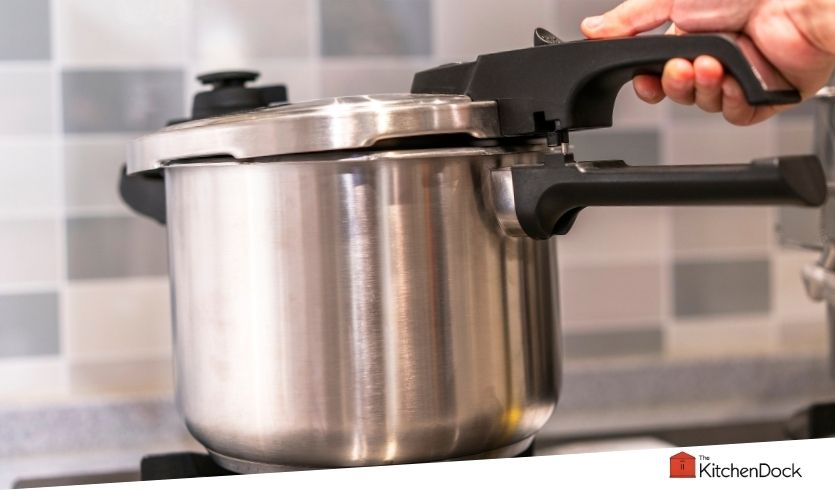
- Stovetop pressure cookers heat on a gas or electric stove. They cook faster and often hold more pressure.
- Electric pressure cookers have built-in heating elements. They offer preset cooking programs for ease.
- Multi-cookers combine pressure cooking with other functions like slow cooking and steaming.
- Choose based on convenience, control, and cooking style.
Key Features To Consider
- Capacity: Small (2-4 quarts) for singles or couples, large (6+ quarts) for families.
- Material: Stainless steel is durable and easy to clean.
- Pressure settings: Adjustable levels allow cooking different foods properly.
- Ease of use: Look for clear controls and easy-to-read gauges.
- Accessories: Some come with steaming racks or extra sealing rings.
Safety Mechanisms
- Pressure release valves prevent excess pressure buildup.
- Locking lids ensure the cooker stays sealed during cooking.
- Gasket release systems release pressure if the valve fails.
- Automatic shut-off features on electric models add protection.
- Check for certifications like UL or CE for safety assurance.
Preparing Meals With A Pressure Cooker
Preparing meals with a pressure cooker saves time and enhances flavors. This kitchen tool cooks food quickly by using high steam pressure. Many dishes become tender and delicious in minutes. Understanding basic setup, cooking times, and flavor tips makes the process easier. Follow these steps to get the best results from your pressure cooker.
Basic Setup And Sealing
Start by placing the food and liquid inside the cooker. Always add enough liquid to create steam, usually one cup or more. Check the sealing ring to ensure it is clean and properly fitted. Close the lid securely, aligning it with the cooker’s locking mechanism. The cooker will not pressurize if the lid is not sealed correctly. Set the pressure valve to the sealing position to trap steam inside.
Cooking Times For Common Foods
| Food | Cooking Time (Minutes) |
|---|---|
| Rice | 5-7 |
| Chicken (pieces) | 8-10 |
| Beef (stew meat) | 20-25 |
| Potatoes | 8-10 |
| Beans (soaked) | 15-20 |
Adjust cooking times based on food quantity and cooker model. Use less time for smaller amounts. Always release pressure safely after cooking.
Tips For Flavorful Results
- Brown meat or sauté vegetables before pressure cooking.
- Use broth or stock instead of water for richer taste.
- Add herbs and spices at the start for better infusion.
- Avoid overfilling; leave space for steam to build.
- Release pressure naturally for meats to stay tender.
Maintaining And Cleaning Your Cooker
Regularly clean your pressure cooker after each use to keep it working well. Remove food residue and wash the gasket and lid carefully. Proper care prevents damage and ensures safe cooking every time.
Maintaining and cleaning your pressure cooker ensures its long lifespan. A clean cooker works efficiently and keeps your meals safe. Proper care also prevents food particles from causing issues. Let’s explore some effective ways to maintain your pressure cooker.
Routine Cleaning Steps
Regular cleaning keeps your pressure cooker in top shape. After each use, wash the pot with warm soapy water. Use a soft sponge to avoid scratches. Rinse thoroughly and dry with a towel. Remove and clean the gasket. Check the lid and valves for food residue. A toothbrush can help clean hard-to-reach spots. Make sure all parts are dry before reassembling.
Troubleshooting Common Issues
Sometimes, pressure cookers face common problems. If the lid doesn’t seal, check the gasket. It might need cleaning or replacement. If steam escapes, ensure the pressure valve is clear. Clean it with a small brush. If your cooker doesn’t build pressure, inspect the lid and seal. Double-check the instructions for correct assembly.
Storage Tips
Proper storage extends your pressure cooker’s life. Store it in a cool, dry place. Keep the lid upside down on the pot. This prevents odor buildup. If possible, remove the gasket before storage. Store it separately to maintain its flexibility. Ensure the cooker is completely dry to avoid rust.

Credit: modernistcuisine.com

Credit: www.abt.com
Frequently Asked Questions
How Do I Safely Use A Pressure Cooker For The First Time?
Start with reading the manual carefully. Check the lid seal, fill with enough liquid, and never overfill the cooker.
What Foods Cook Best In A Pressure Cooker?
Beans, rice, tough meats, and vegetables cook well. They become tender quickly under pressure.
How Do I Know When The Pressure Cooker Is Ready?
Look for the pressure indicator or wait until steam escapes steadily from the valve.
Can I Open The Pressure Cooker Before Pressure Drops?
Never open it while under pressure. Release steam completely and wait for the indicator to drop first.
How Do I Clean And Maintain My Pressure Cooker?
Wash all parts after use. Check the gasket and valves regularly. Replace damaged parts for safety.
Conclusion
Using a pressure cooker saves time and energy in cooking. It cooks food quickly and keeps flavors fresh. Always follow the safety steps to avoid accidents. Clean your cooker well after each use. Experiment with different recipes to enjoy tasty meals.
A pressure cooker can make cooking easier and faster. Start with simple dishes and grow your skills slowly. Cooking with a pressure cooker brings convenience to your kitchen. Try it today and see the difference yourself.