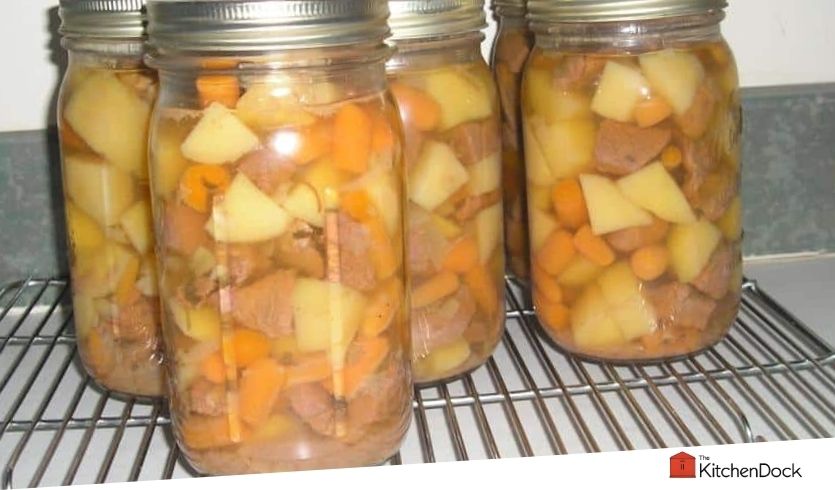
Are you wondering how to can vegetable soup without a pressure cooker? You might think it’s impossible or too risky, but it’s not.
You can safely preserve your homemade soup using simple tools you already have. Imagine enjoying your favorite flavors all year long, without the need for fancy equipment. Keep reading, and you’ll discover easy, step-by-step methods that make canning vegetable soup both safe and satisfying for you and your family.
Preparing Vegetables For Canning
Preparing your vegetables correctly is the foundation of safe and tasty canned vegetable soup without a pressure cooker. The freshness and treatment of your produce directly affect the flavor, texture, and shelf life of your canned goods. Paying attention to these details ensures your soup will taste just like homemade, even months later.
Choosing Fresh Ingredients
Start with vegetables that are at their peak ripeness. Look for firm tomatoes with no bruises, crisp carrots, and vibrant green beans. Avoid any vegetables that show signs of mold or softness; they won’t hold up well during the canning process.
Ask yourself: would you eat this vegetable raw right now? If the answer is no, skip it for your canning batch. Using fresh, high-quality ingredients guarantees a richer flavor and better texture in your soup.
Chopping And Blanching Tips
Cut your vegetables into uniform pieces to ensure even cooking. For example, dice onions and celery into small chunks, and slice carrots into thin rounds. Consistency in size helps the vegetables heat evenly during canning.
Blanching vegetables like green beans and carrots before canning helps preserve their color and texture. Quickly boil them for 2-3 minutes, then plunge them into ice water to stop cooking. This step might seem extra, but it prevents mushy, dull-colored soup ingredients.
Selecting The Right Seasonings
Seasonings can make or break your canned vegetable soup. Stick to classic herbs like bay leaves, thyme, and parsley that complement the vegetables without overpowering them. Salt is essential, but be cautious not to add too much since you can always adjust seasoning when reheating.
Consider adding a small amount of garlic or pepper for a subtle kick. Avoid delicate herbs like basil or dill during canning; their flavors tend to fade or turn bitter. Instead, you can add fresh herbs when you reheat your soup for a bright, fresh taste.

Credit: www.mizhelenscountrycottage.com
Safe Water Bath Canning Techniques
Safe water bath canning is a reliable way to preserve vegetable soup without a pressure cooker. This method uses boiling water to kill bacteria and seal jars tightly. Following proper steps ensures food safety and long shelf life. Each part of the process matters, from preparing jars to processing times.
Sterilizing Jars And Lids
Start by washing jars and lids in hot, soapy water. Rinse well to remove soap residue. Place jars in a large pot of boiling water for 10 minutes to sterilize. Keep jars hot until ready to fill. Simmer lids in hot water to soften sealing rings. Avoid boiling lids, as this can damage seals.
Filling And Sealing Jars Properly
Fill jars with hot vegetable soup, leaving 1-inch headspace at the top. Remove air bubbles by sliding a non-metallic spatula around the jar. Wipe rims clean with a damp cloth. Place lids on jars and screw bands until fingertip tight. Do not over-tighten, or steam cannot escape during processing.
Processing Times And Temperature
Place jars in a water bath canner with boiling water covering jars by at least 1 inch. Keep water boiling steadily throughout the process. Process pint jars for 35 minutes and quart jars for 40 minutes. Adjust time for altitude if necessary. Remove jars carefully and let cool undisturbed for 12-24 hours.
Storage And Serving Tips
Store canned vegetable soup in a cool, dark place to keep it fresh. Serve it warm for the best taste and texture. Always check the seal before use to ensure safety.
Storing and serving canned vegetable soup without a pressure cooker involves careful steps. Ensuring your soup remains tasty and safe is crucial. Follow these guidelines for optimal results.
Checking Seals And Shelf Life
Inspect each jar for proper sealing. Listen for a popping sound when opening. This indicates a good seal. Store jars in a cool, dark place to extend shelf life. Label each jar with the canning date. Consume within one year for best quality. Check for signs of spoilage before serving. Look for mold or off smells.
Reheating Without Compromising Flavor
Reheat soup slowly on the stove. Use low heat to preserve flavors. Stir occasionally to prevent sticking. Avoid microwave reheating for better taste. Add fresh herbs before serving for extra freshness. Adjust seasoning if needed after reheating.
Troubleshooting Common Issues
Cloudy liquid may indicate spoilage. Discard if unsure of safety. Check for unsealed lids, and refrigerate immediately if found. If soup tastes off, do not consume. Always prioritize safety over waste. Proper storage prevents most common issues.
Credit: practicalselfreliance.com
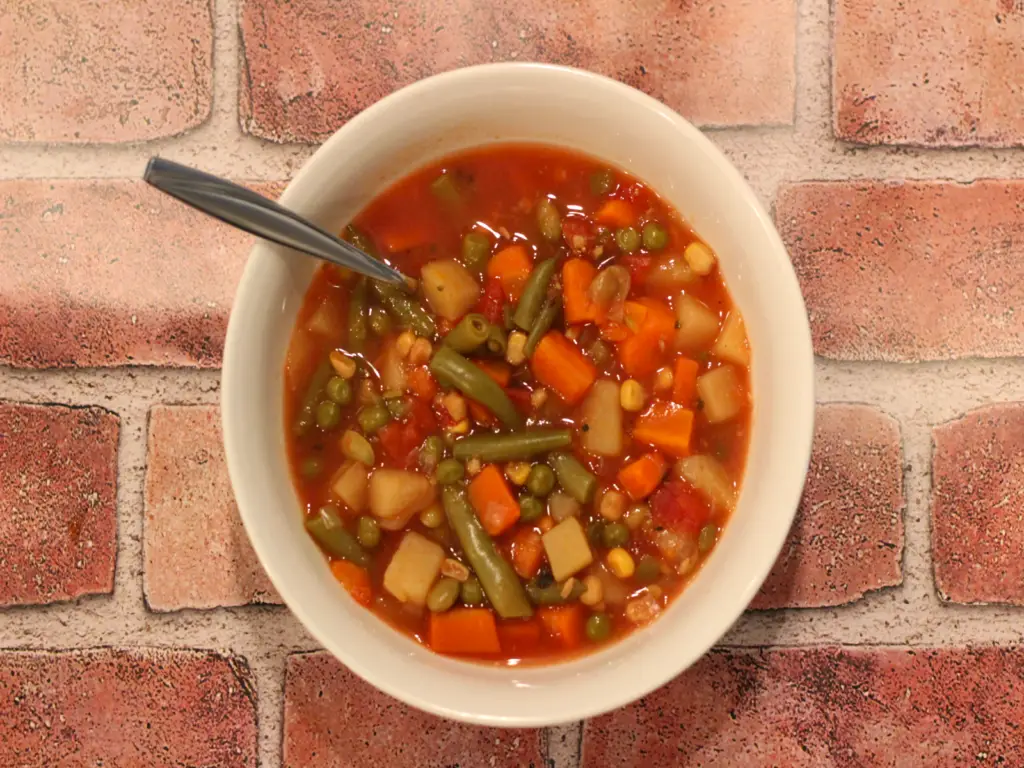
Credit: danismidlife.com
Frequently Asked Questions
Can I Safely Can Vegetable Soup Without A Pressure Cooker?
Yes, but use a boiling water bath for high-acid soups only. Low-acid soups need pressure canning.
What Equipment Is Needed For Canning Soup Without A Pressure Cooker?
A large pot with a lid, canning jars, lids, and a jar lifter are essential.
How Long Should Vegetable Soup Be Processed In A Water Bath?
Process jars for 75 minutes at a rolling boil for safe preservation.
Can I Use Fresh Vegetables When Canning Soup Without Pressure?
Fresh vegetables are best for taste and safety when properly prepared and processed.
How Do I Prevent Spoilage When Canning Soup Without Pressure?
Use tested recipes, sterilize jars, remove air bubbles, and seal jars tightly.
Conclusion
Canning vegetable soup without a pressure cooker takes time but works well. Use a water bath canner to keep soup safe and tasty. Always follow tested recipes to avoid risks. Keep jars clean and sealed tight. Store canned soup in a cool, dark place for best results.
This method helps you enjoy homemade soup all year long. Simple steps, good care, and patience bring great canned soup. Why not try it and save your fresh vegetables today?