Have you ever wished your homemade jams, spices, or dry goods could stay fresh much longer? Vacuum sealing mason jars is the secret to locking in flavor and extending shelf life like a pro.
Imagine opening a jar weeks or even months later, only to find your food just as fresh as the day you packed it. In this guide, you’ll discover simple, step-by-step methods to vacuum seal your mason jars quickly and effectively.
Keep reading to learn how to protect your food, save money, and enjoy freshness that lasts.
Choosing The Right Mason Jars
Choosing the right mason jars is crucial for successful vacuum sealing. Not all jars are created equal, and selecting the best type can save you time and prevent spoilage. Think about what you plan to store and how you intend to use the jars before making your choice.
Types Of Mason Jars
Mason jars come in several varieties, each suited for different uses. The most common types are:
- Regular Mouth:These have a narrower opening and are ideal for liquids, jams, and sauces.
- Wide Mouth:Easier to fill and clean, perfect for larger solids like pickles or dry goods.
- Elite or Specialty Jars:Designed for specific purposes such as fermenting or long-term storage.
Choosing the right type affects how well the vacuum seal will hold and how convenient the jar is to use.
Size Considerations
Size matters when vacuum sealing mason jars. Small jars are great for herbs, spices, or single servings, while larger jars work well for bulk storage.
Think about your typical portion size and storage space. Do you want jars that fit neatly on your shelves, or do you prefer fewer large jars? Your answer will guide your size selection.
Material And Quality
Glass is the standard material for mason jars, but not all glass jars are equally durable. Look for thick, tempered glass that can handle temperature changes and pressure from vacuum sealing.
Check the lid quality, too. Metal lids with a rubber seal are best for creating a strong vacuum. Avoid jars with plastic lids unless they are specifically designed for vacuum sealing.
Credit: www.amazon.ca
Vacuum Sealing Methods
Vacuum sealing mason jars preserves food by removing air and creating a tight seal. This process extends shelf life and keeps contents fresh. Different methods suit various needs and equipment. Choose the best way that fits your situation and supplies.
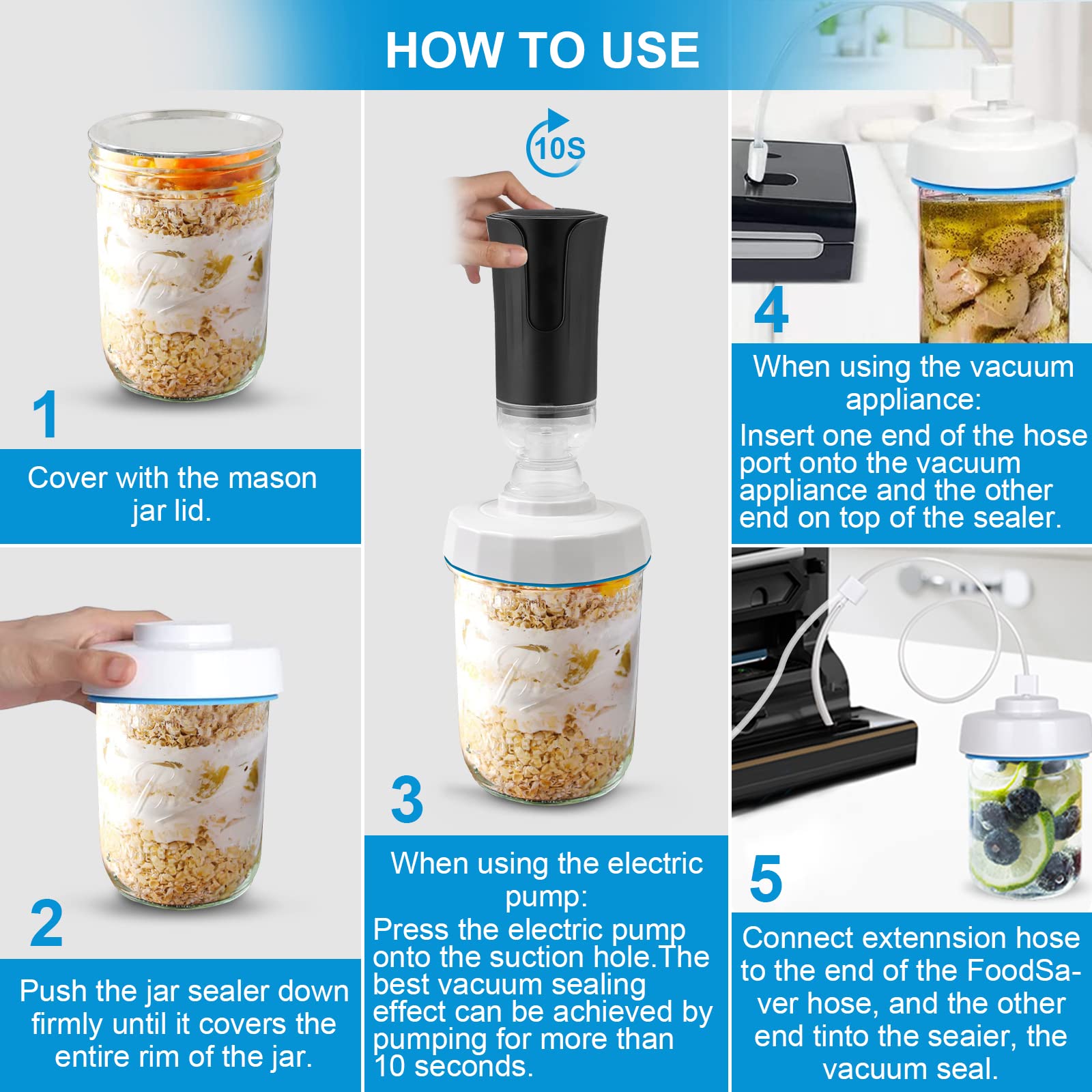
Using A Vacuum Sealer With Jar Attachment
Many vacuum sealers come with a jar attachment. This tool fits over the jar lid and connects to the sealer. It removes air from inside the jar without breaking the seal.
To use this method:
- Place food inside the mason jar and screw the lid on firmly but not too tight.
- Attach the jar sealer to the lid.
- Connect the sealer hose to the jar attachment.
- Turn on the vacuum sealer to remove air.
- Once air is out, the jar lid seals tightly.
This method is fast and effective for dry and some moist foods. It keeps jars airtight and safe for storage.
Manual Vacuum Seal Techniques
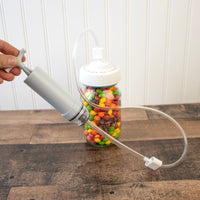
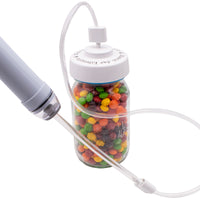
Manual vacuum sealing uses simple tools to remove air without electric machines. One common way is using a hand pump and special lids designed for mason jars.
Steps include:
- Fill the mason jar and screw on the vacuum lid.
- Attach the hand pump to the lid valve.
- Pump air out slowly until the lid feels tight.
- Remove the pump carefully, ensuring the seal holds.
This method suits small kitchens or occasional sealing. It is budget-friendly and portable.
Common Mistakes To Avoid
- Over-tightening lids before vacuuming can prevent proper air removal.
- Using jars or lids not designed for vacuum sealing risks breakage.
- Sealing hot food without cooling can create pressure and spoil seals.
- Failing to check seals regularly can lead to spoiled contents.
- Not cleaning jar rims before sealing may cause air leaks.
Avoid these errors for better vacuum sealing results and longer food freshness.
Maintaining Freshness And Storage Tips
Vacuum sealing mason jars keeps food fresh longer by removing air and moisture. Store jars in a cool, dark place to preserve flavor and quality. Proper sealing prevents spoilage and extends shelf life effectively.
Maintaining the freshness of your stored foods is essential, and vacuum sealing mason jars can be a game-changer. Not only does it extend the shelf life of your foods, but it also preserves their taste and nutritional value. By ensuring an airtight seal, you can protect your food from moisture, air, and pests. So, how do you make the most of this technique? Here are some practical tips to keep your stored foods fresh and delicious.
Best Foods For Vacuum Sealing
Not all foods benefit equally from vacuum sealing. Ideal candidates include dry goods like rice, pasta, and nuts, which stay fresh for months. Herbs and spices also maintain their potency longer when vacuum-sealed. On the other hand, fresh fruits and vegetables should be blanched before sealing to maintain their texture and color.
Storage Environment
Where you store your vacuum-sealed jars matters. A cool, dark place like a pantry or basement is ideal for long-term storage. High temperatures can degrade food quality, while exposure to light can cause unwanted chemical reactions. Consider using a shelf or cupboard that is away from direct sunlight and heat sources.
Shelf Life Expectations
Vacuum sealing can significantly extend the shelf life of many foods. For example, vacuum-sealed rice can last up to 2 years, while nuts can stay fresh for up to a year. Even dehydrated fruits can maintain their quality for months. Always check the food periodically for signs of spoilage, as even the best storage methods have limitations. Are you ready to embrace vacuum sealing for your mason jars? Take the plunge and enjoy fresher, tastier, and longer-lasting food in your home. Your future self will thank you for the effort you put in today.
Credit: masonjarlifestyle.com
Credit: masonjarlifestyle.com
Frequently Asked Questions
What Equipment Is Needed To Vacuum Seal Mason Jars?
You need mason jars, a vacuum sealer with a jar attachment, and sealing lids.
How Long Does Vacuum Sealing Mason Jars Preserve Food?
Vacuum sealing can keep food fresh for 1 to 3 years, depending on the item.
Can All Mason Jars Be Vacuum Sealed Safely?
Most standard mason jars work well, but check if they fit your vacuum sealer.
What Types Of Food Can You Vacuum Seal In Mason Jars?
Dry goods, nuts, coffee, and some cooked foods work best in sealed jars.
How Do You Know If A Mason Jar Is Vacuum Sealed Properly?
The lid should be tight and slightly concave, with no air inside the jar.
Conclusion
Vacuum sealing mason jars keeps food fresh longer. It prevents air and moisture from spoiling contents. You only need a few tools and simple steps. Practice a couple of times to get the hang of it. Store sealed jars in a cool, dry place.
This method saves money and reduces waste. Try vacuum sealing for jams, sauces, or dry goods. It’s a smart way to keep your food safe. Easy, effective, and reliable. Give it a shot!